

Hydration Is Probably Simpler Than You Think
Every summer, hydration seems to find its way back into the spotlight.
Water bottles get bigger. Electrolyte companies get louder. Social media fills with increasingly specific recommendations about sodium, minerals, sweat rates, and exactly how much water you're supposed to drink before, during, and after exercise.
Most of that information isn't necessarily wrong. It's just that hydration is usually a lot less complicated than the internet makes it seem.
After years of working with clients, I've noticed that hydration problems are rarely caused by a lack of information. Most people already know they should drink more fluids when temperatures rise. The challenge is that summer tends to disrupt routines. Days get longer, activity levels often increase, vacations begin, kids' schedules change, and before people know it they've gone most of the day without paying much attention to hydration at all.
The consequences are rarely dramatic. Instead, they tend to show up in subtle ways. Energy feels a little lower. Recovery takes a little longer. Workouts feel harder than expected. Concentration slips. By the end of the day, people simply don't feel quite as good as they normally do.
Why Hydration Matters More This Time of Year
What makes hydration particularly relevant during the summer is that several variables tend to change at once.
We're often spending more time outside. Many people become more active. Sweat losses increase. Travel becomes more common. Kids' sports, hikes, outdoor projects, and long weekends all create more opportunities to fall behind without realizing it.
At the same time, most people aren't becoming clinically dehydrated. They're simply operating with a little less fluid than their bodies would prefer. The result isn't necessarily a major health event. It's often just a gradual decline in energy, recovery, performance, and overall well-being.
Water, Electrolytes, and Context
Hydration conversations have changed quite a bit over the last decade.
For years the discussion focused almost entirely on water. More recently, the pendulum has swung in the opposite direction, and it's easy to get the impression that every workout requires a carefully engineered electrolyte strategy.
As is often the case, the truth sits somewhere in the middle.
For some people, electrolytes absolutely matter. That may include:
endurance athletes
heavy sweaters
outdoor workers
people training in significant heat
people performing multiple sessions per day
For many others, adequate fluid intake combined with a reasonably balanced diet will address the majority of their needs.
The important point is that hydration recommendations should always be viewed through the lens of context. A person spending three hours on a trail in 95-degree weather has very different needs than someone completing a 45-minute gym session in an air-conditioned environment.
Hydration Doesn't Just Come From Water
One aspect of hydration that often gets overlooked is how much fluid comes from food.
Many of the foods that become staples during the summer months contribute meaningful amounts of water as well, including:
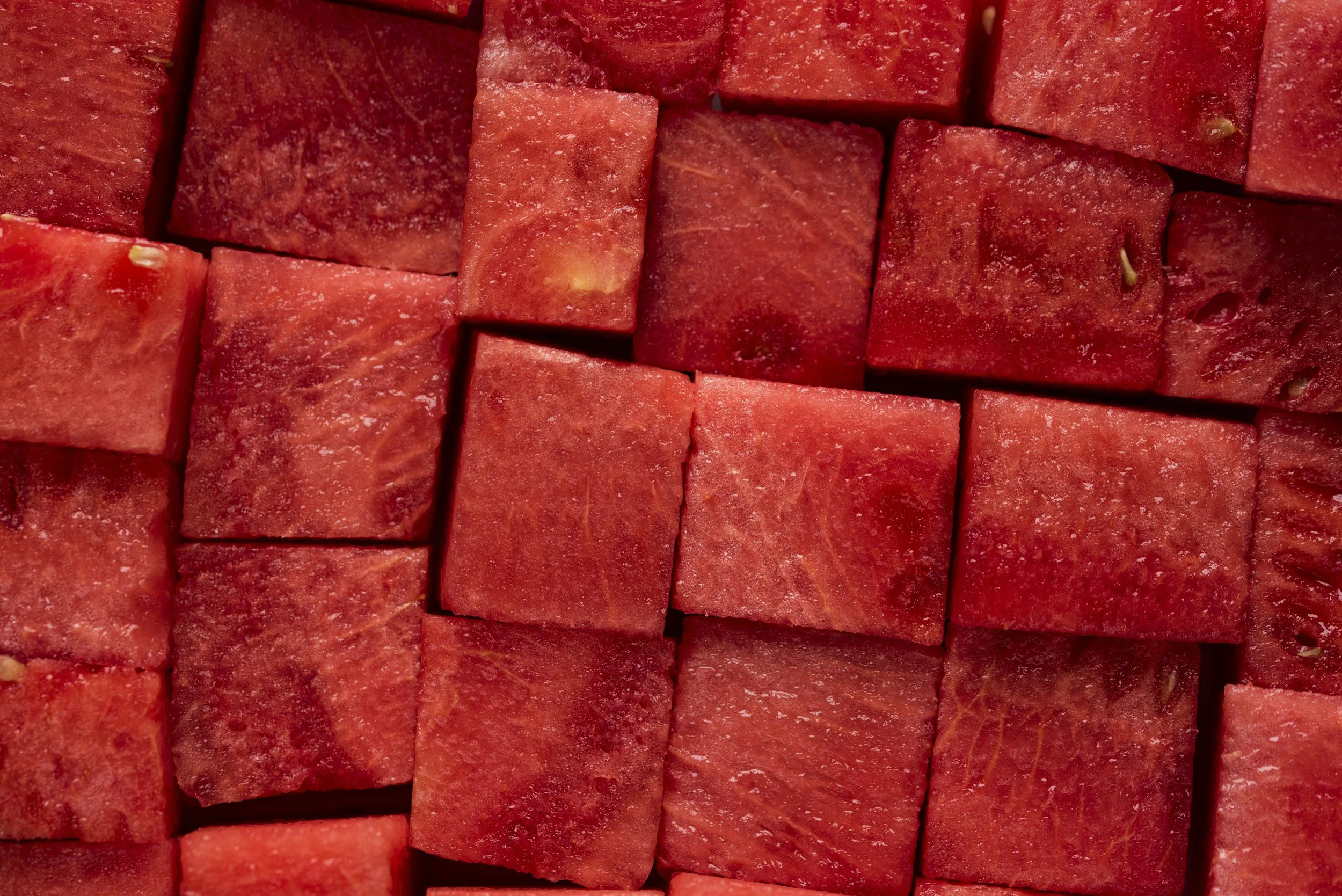
watermelon
berries
citrus fruits
cucumbers
tomatoes
yogurt
smoothies
soups
One reason summer produce often feels so refreshing is because it's helping address more than hunger alone.
While most people focus exclusively on what they're drinking, it's worth remembering that what ends up on your plate plays a role too.
The Basics Still Work
One thing I appreciate about hydration is that it serves as a good reminder that the fundamentals still matter.
Hydration isn't particularly exciting. It isn't controversial. It doesn't generate many social media debates. Yet it continues to influence energy, recovery, performance, mood, and how we feel day to day.
That's usually a sign that something deserves our attention.
The good news is that most people don't need a detailed hydration protocol. A little awareness goes a long way. For most people, the practical starting point is simple:
drink fluids earlier in the day rather than trying to catch up at night
increase intake when temperatures rise
pay attention to periods of heavy sweating
consider electrolytes when heat, sweat, or duration justify it
remember that food contributes to hydration too
Like many things in health and fitness, the basics still work remarkably well.
And during the warmer months of the year, they're often worth revisiting.
📣 Quick Announcements:
New Class Times! New evening classes have begun! New 5:30pm slot Tuesdays and Thursdays now mirrors our morning class offerings and round out your training. We look forward to seeing you there! Be on the look out for all workouts live in our app beginning next week.
June Challenge is Still Going Strong: Maximum repetitions:
🏋️ Men: Bench Press @ 60% Bodyweight
🏋️♀️ Women: Bench Press @ 40% Bodyweight
Barbell Alone = ½ Points/Reps
Current score to beat: 69 reps
Social Media Update:
Our original social media accounts were unfortunately hacked several weeks ago and we're continuing to rebuild under our new Instagram account.
If you see @res.body, that's us.
We'd genuinely appreciate a follow as we get things back up and running, and feel free to share it with anyone who may be trying to build a little more alignment, health, and sustainability into their own life this summer.
Bring a friend and you are both free on either class Saturday morning!
New Personal Training Slots Available – Book a consult if you’re ready to level up
💬 Got questions? Reply here or ask your coach next time you're in