

The Capability Gap: Why Your Body Isn’t Failing — Your Framework Is
Resilient Body 2026 Blueprint · Part 2 of 3
If you train consistently, try to eat reasonably well, and still feel stiff, tired, or oddly unprepared for workouts — this article is for you.
Because in our experience, most people aren’t broken.
They’re not lazy.
And they’re not “getting old.”
They’re stuck in what we call the Capability Gap.
What the Capability Gap Actually Is
The capability gap is the space between:
what your life asks your body to do
andwhat your training framework has actually prepared you for
You see it when:
You lift regularly but can’t jog comfortably
You stretch often but still feel tight
You’re “active” but fatigue easily under load
You warm up forever but never quite feel ready
You work hard yet feel fragile instead of capable
This isn’t a motivation problem.
It’s not a discipline problem.
It’s a framework problem.

Invisible Silos: How Good Intentions Quietly Stall Progress
One of the biggest drivers of the capability gap is something we see all the time but rarely gets named:
Invisible Silos.
These are approaches to fitness or health that work in isolation — but fall apart when real life demands integration.
Some common ones:
The Strength-Only Silo
Strong numbers, limited tolerance when movement gets dynamic or fatigue shows up.The Cardio-Only Silo
Good engine, poor tissue resilience, chronic aches that never resolve.The Stretch-Everything Silo
Always chasing relief, rarely building usable strength or control.The Nutrition-Rules Silo
Hyper-focused on food while ignoring training load, stress, and recovery.The Busy-But-Not-Better Silo
Lots of activity. Very little progress.
The tricky part?
These silos feel productive — until they stop working.
And most people don’t realize they’re in one.
When Your Warm-Up Becomes Half the Workout, Pay Attention
This is where we want to be very clear.
We believe in a great warm-up.
We do not believe your warm-up should take 15–20 minutes just to feel okay.
When that happens — whether it’s endless rowing, cycling, mobility drills, or corrective exercises — it’s usually not a sign you need more warm-up.
It’s feedback.
Often about:
Recovery debt (sleep, stress, never fully down-shifting)
Nutrition gaps (under-fueling, long stretches without protein, inconsistent intake)
Load management (everything feels hard, all the time)
Life stress showing up in the body
More rowing usually isn’t the solution.
Zooming out is.
This is exactly where coaching matters — not just writing workouts, but helping you identify blind spots so you can feel better before, during, and after training… and beyond the gym.
A Smarter Warm-Up (No Performative Complexity Required)
Below is a short 3–5 minute bench press prep we use all the time — especially during busy seasons.
The goal isn’t to fix everything.
It’s to prepare the body to train without draining time or energy.
In the video, you’ll see three primary movements:
Scorpions
To introduce rotation and open the front of the body.Yoga push-ups
To link shoulders, trunk, and hips — exactly what pressing demands.Band pull-aparts
To wake up the upper back and create shoulder stability under the bar.
That’s it.
We also show a few additional movements we like and sometimes use — but this matters:
You don’t need five or six drills every session.
More complexity doesn’t equal better preparation.
It’s also worth saying plainly:
There isn’t strong evidence that warm-ups need to be complicated or completely different from the movement you’re about to perform.
For many people, simply doing lighter ramp-up sets of the lift itself is enough.
When warm-ups balloon to 15–20 minutes just to reach baseline, that’s usually not a requirement — it’s information.
And information is something we can work with.
(Embedded video: The 3–5 Minute Bench Press Warm-Up (No 15-Minute Prep Required))
What Actually Closes the Capability Gap
At Resilient Body, we’re not chasing perfection or optimization theater.
We build capacity that transfers.
That means:
Strength that supports joints, tendons, and real movement
Conditioning with intention, not just time
Mobility that teaches the nervous system something useful
Nutrition that supports training instead of fighting it
A lifestyle that allows consistency instead of constant recovery mode
When these pieces stop living in silos, something shifts.
Training feels simpler.
Warm-ups get shorter.
Confidence improves.
And the body starts feeling capable again.
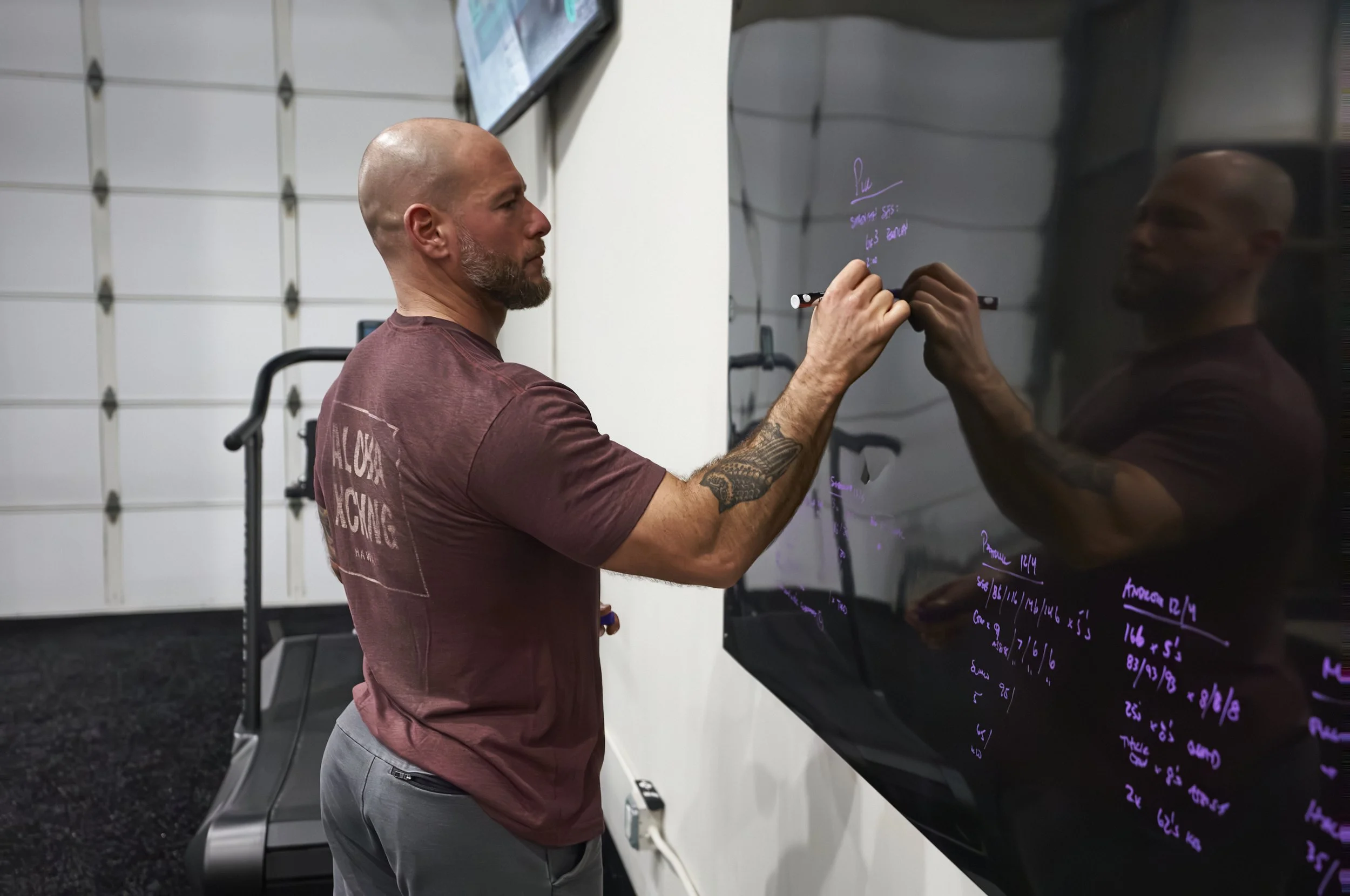
✨ New Year Goal & Wellness Check-Ins (Free for All Members)
Kick off 2026 with clarity and confidence.
If any of this feels familiar — long warm-ups, inconsistent energy, feeling “off” despite training — this is exactly what our New Year Goal & Wellness Check-Ins are for.
All members can book a complimentary 30-minute block (a focused 15–20 minute session with buffer time).
CLICK THE LINK HERE (members use code: FREECHECK)
We’ll help you:
Identify where your personal capability gap might be
Spot invisible silos in training, recovery, or nutrition
Clarify what your body actually needs in early 2026
Map out a simple, realistic next step
These sessions are short, practical, and designed to give clarity — not overwhelm.
🔍 Want More? Deep-Dive Strategy Sessions (45–60 min)
For clients who want a more comprehensive reset, we’re also offering optional Deep-Dive Sessions.
These allow us to:
Review your full training history
Assess lifestyle and recovery patterns
Align nutrition with performance goals
Build a strategic roadmap for Q1 and beyond
Limited availability in January.
CLICK THE LINK HERE (member discounted rate $155 $95 )
The Takeaway
Most people don’t need more effort.
They need a better framework.
When strength, conditioning, mobility, nutrition, and lifestyle stop living in silos, progress feels easier — not harder.
That’s how we close the capability gap.
And that’s how we build resilient bodies for real life.