

Peptides: Why It’s Not “Either / Or”

Peptides are showing up everywhere right now.
Whether it’s BPC-157, GLP-1s, or other compounds people hear about through clinics, podcasts, or friends, these therapies are becoming more commonplace — and more socially acceptable — as ways to help bodies keep up with modern constraints.
Long workdays.
Chronic stress.
Less sleep than we’d like.
Slower recovery.
Pain that lingers longer than it used to.
For most people, curiosity about peptides isn’t about shortcuts. It’s about not feeling stuck in a body that doesn’t adapt the way it once did.
That curiosity makes sense.
Where things tend to go sideways is how simplified the conversation often becomes.
What Peptides Are (Plain Language)
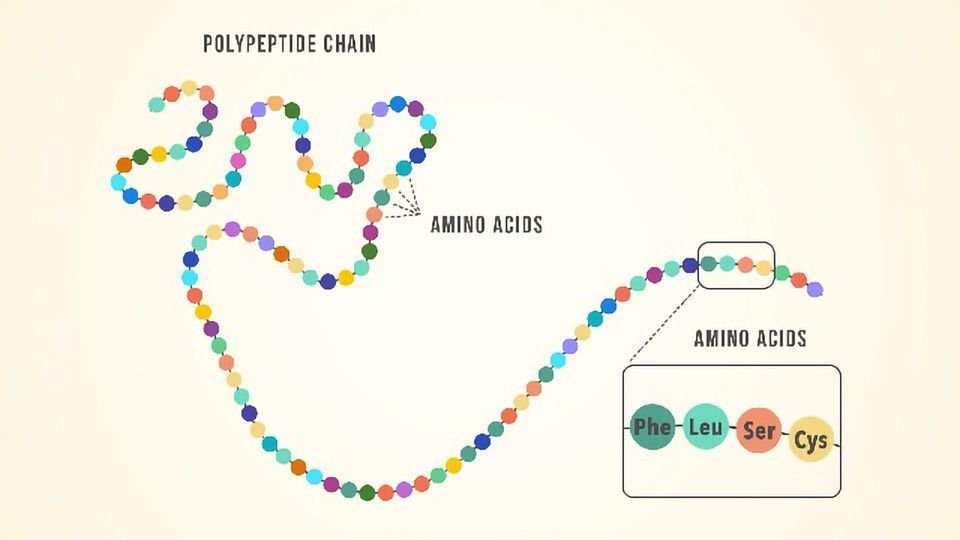
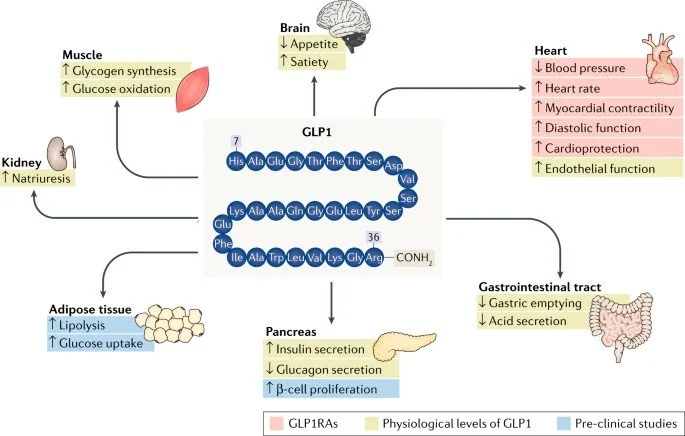
Peptides are short chains of amino acids that act as signaling molecules in the body.
They aren’t foreign substances in the way people sometimes imagine. Many therapies already used in medicine and wellness — including hormones, biologics, and even some supplements — work by signaling the body to respond in a particular way. Peptides often sit earlier in that signaling process.
What separates peptides from many other therapies isn’t that they’re inherently extreme or experimental. It’s that a large number of them still exist in a gray zone when it comes to evidence, regulation, and consistency.
And that matters.
Why Interest Keeps Growing
A lot of people are dealing with bodies that feel slower to adapt than they used to.
Recovery takes longer.
Training tolerance feels lower.
Pain hangs around.
Stress stacks up faster.
In that context, therapies that promise help with healing, appetite regulation, or recovery can feel reasonable — sometimes even responsible. Especially when lifestyle changes alone don’t seem to move the needle the way they once did.
The problem isn’t curiosity.
It’s assuming these tools play the same role for everyone.
How These Tools Actually Function in Real Life
Peptides don’t play one single role.
Depending on the person and the situation, they might:
meaningfully improve recovery or pain
temporarily compensate for a limitation
reduce symptoms without addressing the underlying constraint
or simply not add much at all
Sometimes more than one of those things happens at the same time.
That’s not a flaw in peptides — it’s the reality of working with complex biology and individual variability. Context, timing, physiology, and goals all matter.
Improvement and resolution aren’t always the same thing.
Where Peptides Can Make Sense
There are situations where peptides are explored thoughtfully, often with medical oversight, including:
supporting tissue healing alongside structured rehab
addressing age-related changes in combination with resistance training
assisting recovery when sleep, nutrition, and load management are already being addressed
In these cases, peptides aren’t doing the work for you. They’re part of a broader plan.
It’s also true that for some individuals, peptides can be a net positive even when everything else isn’t perfectly dialed. That doesn’t make them magic — it reflects that biology isn’t uniform and neither are people.
What matters most is understanding what role the tool is actually playing.
Masking vs. Solving (An Important Distinction)
One of the subtler issues with any intervention — peptides included — is that symptom relief and long-term capacity aren’t always the same thing.
A peptide might reduce pain or improve recovery while still masking a limitation that needs to be addressed through training, load management, or lifestyle changes.
That’s not a judgment. It’s just a reality that many people have.
Knowing the difference helps people make better decisions about what comes next.
The Regulation and Legitimacy Problem
A large portion of peptides available today are sold as “research chemicals.”
That designation means:
they aren’t approved for human use
they aren’t held to pharmaceutical manufacturing standards
quality control is inconsistent
Independent testing has repeatedly found that many peptides sold online are:
mislabeled
improperly dosed
contaminated
or not the compound they claim to be
Some analyses have reported purity or labeling issues in 30–50% of sampled products.
Even peptides obtained through compounding pharmacies — while generally safer — still come with variability. Standards differ, evidence quality varies by compound, and long-term outcome data is often limited.
None of this makes peptides automatically dangerous.
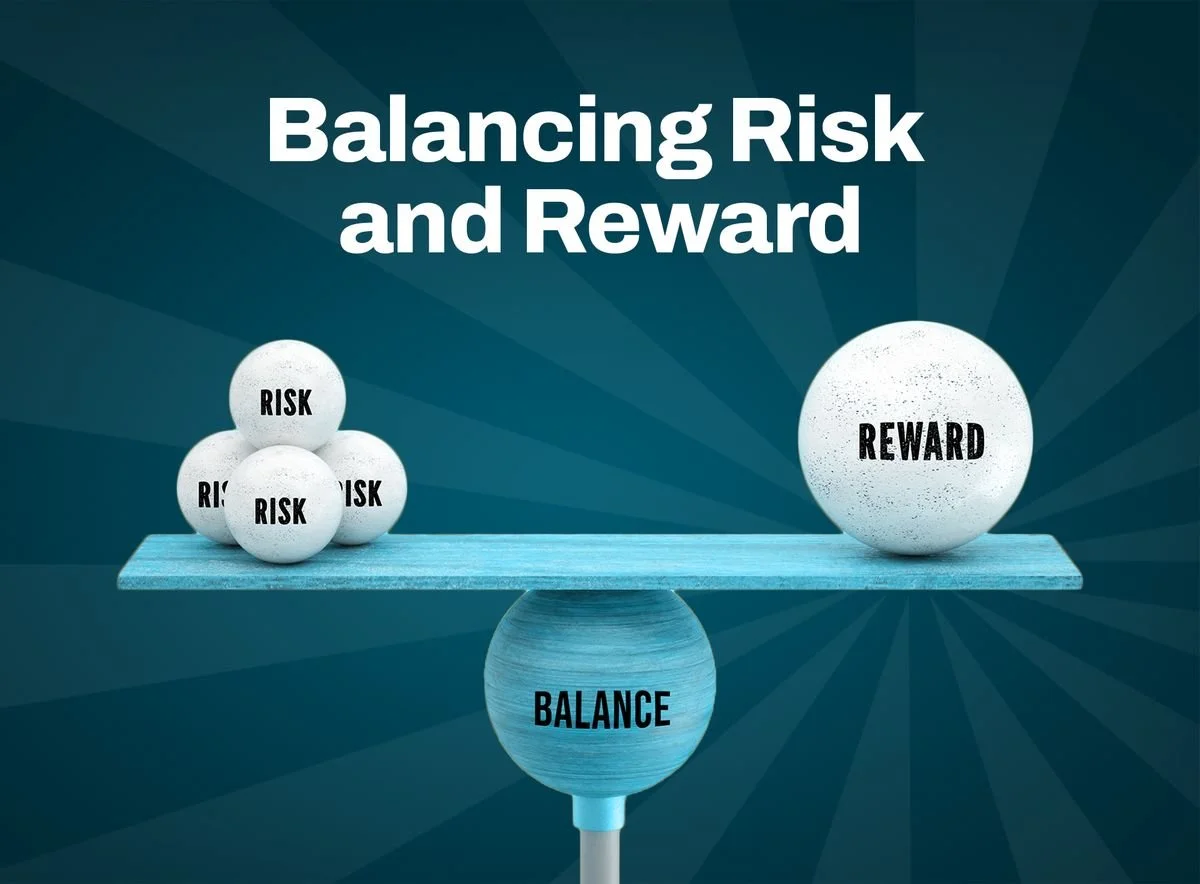
It does mean the risk-to-reward calculation deserves serious consideration.
Risk Isn’t Only Physical
Risk also shows up as:
financial cost
opportunity cost
misplaced focus
When evidence is incomplete, the more useful question usually isn’t “Does this work?”
It’s:
“Is this the right move for this person, right now, for this goal?”
That answer changes depending on the situation.
What Still Matters Most for Most People
Across a wide range of goals, certain fundamentals continue to matter:
Strength training → the “mack-daddy” of them all! improves tissue quality, metabolic health, and resilience
Muscle mass → protective, functional, and hormonally meaningful
Nutrition basics → adequate protein, fiber, and energy availability without “energy toxicity”
Recovery and stress management → where adaptation actually happens
Modern therapies don’t replace these factors.
They interact with them — sometimes quite helpfully, sometimes not.
How We Approach This at Resilient Body
We don’t start with interventions.
We start by looking at:
movement capacity
training tolerance
lifestyle constraints
recovery and stress
When peptides come up - and they do now more than ever - the conversation isn’t framed as approval or rejection. It can’t be and that’s also not where we stand.
It’s framed as:
What are we trying to support, and what role would this actually play?
That perspective comes from years of coaching, education, and close exposure to this space - and from seeing how often thoughtful sequencing outperforms novelty over time.
Where This Leaves Most People
Peptides aren’t villains.
They aren’t always silver bullets either.
They’re one category of tools among many, and their value depends on the individual, the goal, and the broader plan.
Health decisions rarely come down to choosing sides.
They come down to making clear, proportionate decisions in the right order.
And for most people, that order still starts with building real capacity in various domains that make up overall wellness on a foundational level. Sometimes with peptides along for the ride too! TBD and we will be curious to look back in 5-10 years along with you all.
(Next up: why strength remains the most reliable foundation, regardless of goals.)

📣 Quick Announcements:
😎💪Over the next couple of weeks, you may notice a few new faces around the gym as we continue to build out the coaching team. Each new coach brings distinct skill sets — from strength and movement quality, to conditioning, return-to-training, and working with a wide range of bodies and goals. We’ll share proper introductions soon so you can get to know them better.
🏋️♂️ We’re in the process of expanding our training formats, including:
Semi-Private Training — small groups with individualized programming, close coaching attention, and a balance of personal focus and community.
Pod-Style Training — consistent small groups training together on a shared framework, emphasizing progression, accountability, and sustainability.
These options are designed to create more flexibility, more access to coaching, and more ways to train well depending on where you’re at and what you need.
New Personal Training Slots Available – Book a consult if you’re ready to level up
💬 Got questions? Reply here or ask your coach next time you're in