

The Quiet Skill of Resilience - Takes a licking and keeps on ticking.
There’s an old line from Timex ads that stuck with me as a kid:
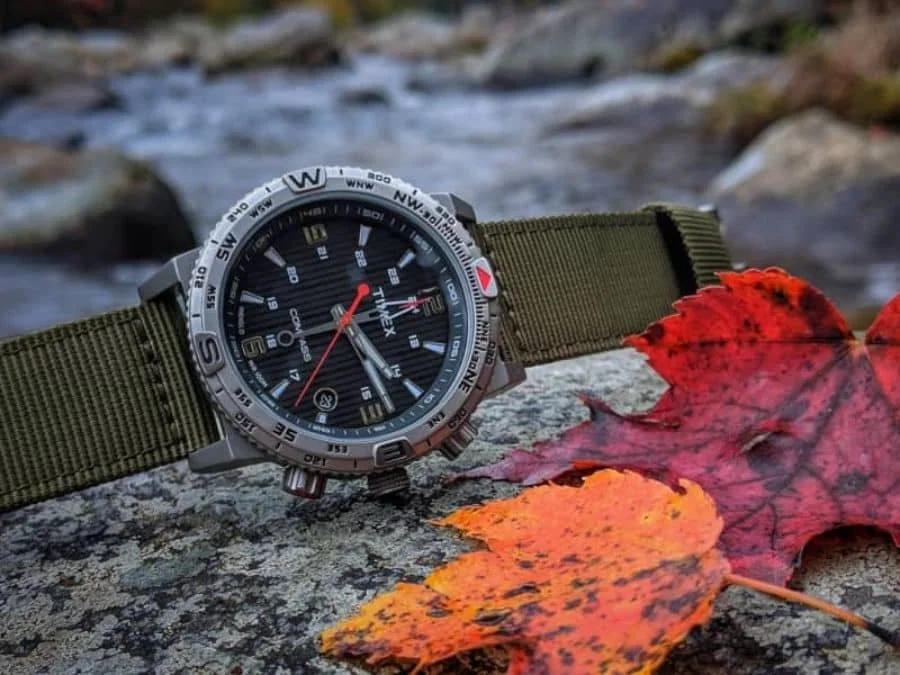
“Takes a licking and keeps on ticking.”
I remember thinking at the time… why would anyone want that? Why would you choose to take a beating?
Lately, I’ve been thinking about that phrase differently.
Not in the context of watches, but in the context of people.
Injury. Pain. Stress. Wear and tear. The human condition, really.
What fascinates me isn’t just that discomfort and pain are inevitable. It’s how differently people seem to respond to them.
Some people shut down entirely. Others somehow keep chugging along. Not perfectly. Not pain-free. But moving nonetheless.
I’ve always been interested in those people.
The Body That Breaks… and Doesn’t
Over the years I’ve accumulated my fair share of injuries and setbacks through training and sport. Some more legitimate than others. Some self-inflicted. Some unavoidable.
Yet for whatever reason, each time, I made the decision to keep training in some capacity.
Not recklessly. Not pretending nothing hurt. But continuing to work through or around things as best I could.
That mindset has always reminded me of some stoic old cowboy archetype. Maybe a more fluid Chuck Norris. The weathered guy who just quietly keeps going. No dramatic speeches. No “rise and grind” social media captions. Just movement forward.
And the more years I spend coaching and observing people, the more curious I become about what actually separates those who continue from those who stop entirely.
Is it pain tolerance?
Mindset?
Biology?
Personality?
Past experiences?
Probably some or maybe even all of the above.
Pain Is Strange
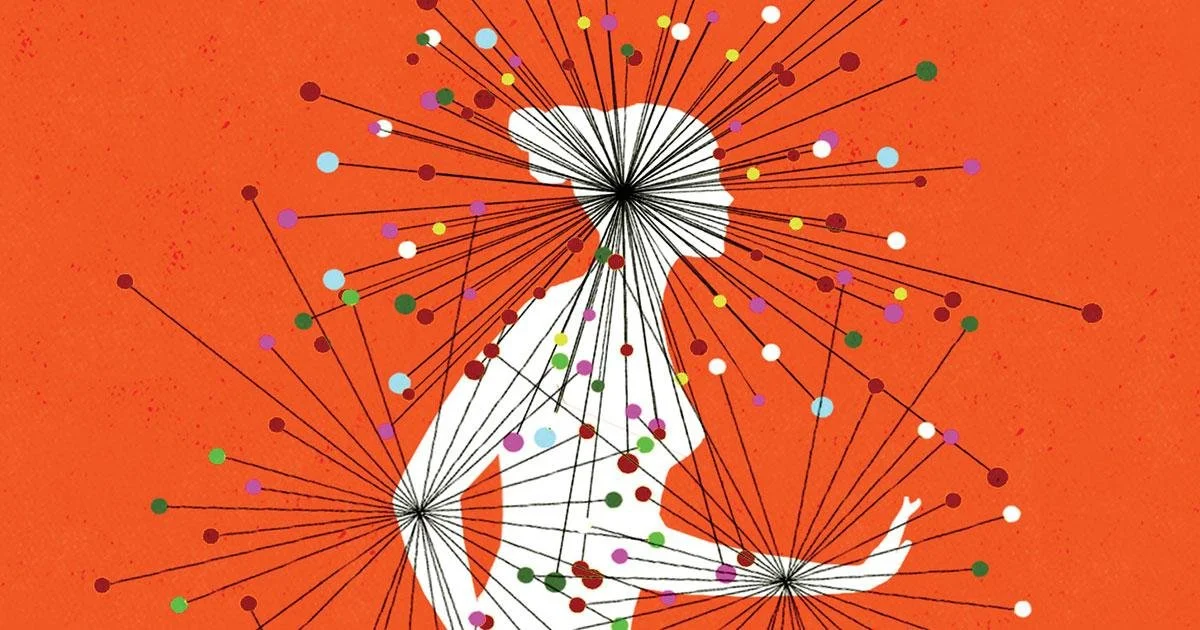
One of the most interesting things modern pain science has shown us is that pain is far more complex than most people think.
You can have someone with a pretty ugly MRI:
disc degeneration
bulges
arthritis
structural changes everywhere
…and they feel perfectly fine.
Then you can have someone else with comparatively “clean” imaging who is in significant pain.
This isn’t rare, either.
Research has repeatedly shown that structural findings on imaging often correlate poorly with symptoms.
In other words, “damage” and pain are not always the same thing.
Pain is an experience created by the nervous system. A protective output shaped by far more than tissue quality alone.
Stress matters.
Sleep matters.
Fear matters.
Past experiences matter.
Beliefs matter.
Context matters.
Two people can experience the exact same physical stimulus and have completely different interpretations of it.
That’s part of why pain is so fascinating and, frankly, so humbling.
Thresholds, Tolerance, and Interpretation
We also know there are real differences between people in pain thresholds and pain tolerance.
Some of that appears biological. Some psychological. Some social. Some learned.
There are even documented differences between males and females in certain pain responses and tolerance patterns depending on context. Hormones, conditioning, expectation, meaning, and environment all seem to influence the equation.
But I think where people often get lost is assuming resilience is simply something you either genetically possess or don’t.
I’m not convinced that’s true.
Or at least not entirely true.
Because I’ve seen too many ordinary people become remarkably resilient over time.
Maybe Resilience Is Practiced
I think exercise and hard training teach something that extends far beyond aesthetics or performance.
They teach exposure.
Controlled, repeatable exposure to discomfort.
You lift something difficult.
You breathe hard.
You fatigue.
You struggle a little.
You come back and do it again.
Over time, something subtle starts to happen.
You stop viewing every uncomfortable sensation as catastrophic.
You begin understanding that:
discomfort is not always danger
effort is not injury
challenge is survivable
imperfect conditions do not require complete shutdown
That’s a deeply valuable lesson.
And honestly, one that feels increasingly absent in modern life.
Surrendering to the Human Condition
I think part of resilience is a kind of surrender.
Not surrender as defeat.
Surrender as acceptance.
Acceptance that:
bodies age
stress accumulates
discomfort comes and goes
life is physically and emotionally demanding at times
The people who seem to age gracefully are not necessarily the people who avoided all pain or adversity.
More often, they’re the people who learned how to continue despite it.
They adapted.
Modified.
Adjusted course when needed.
But they rarely disengaged entirely.
That’s different from denial.
And different from recklessness.
There’s wisdom in learning when to push, when to pivot, and when to simply keep moving gently forward.
Work Through, Work Around, Keep Working
One of the biggest misconceptions in fitness and rehab is that the options are either:
push through aggressively
or stop everything completely
Reality usually lives somewhere in the middle.
Sometimes you reduce load.
Sometimes you change movement patterns.
Sometimes you slow down.
Sometimes you temporarily avoid specific aggravating positions.
But more often than not, there is still something productive you can do.
And psychologically, that matters.
Continuing to engage with movement helps preserve confidence, momentum, routine, identity, and trust in your own body.
That’s powerful.
The People We Admire
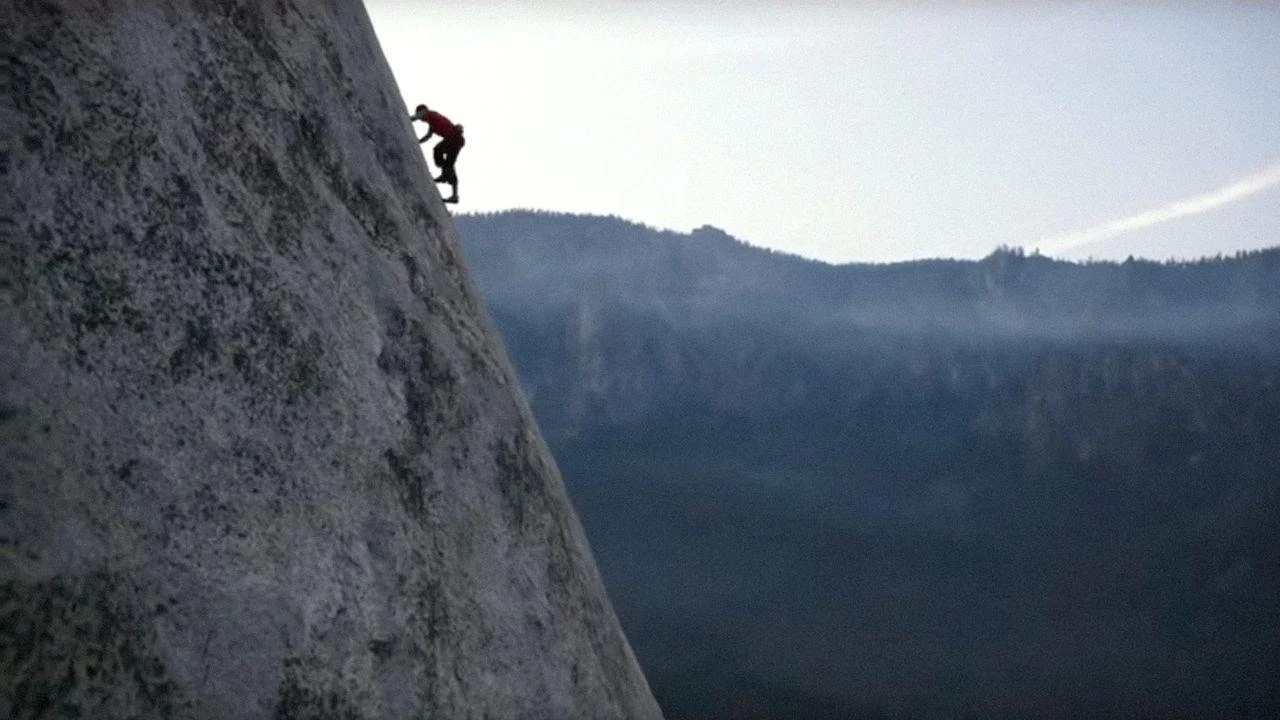
When you really think about it, the people we tend to admire most as they age are rarely the ones who remained untouched by hardship.
Usually it’s the opposite.
They endured losses.
Injuries.
Stress.
Wear and tear.
Pain.
Failures.
Heartbreak.
Just like everyone else.
But they kept participating in life anyway.
They kept walking.
Training.
Learning.
Laughing.
Showing up.
Maybe that’s what resilience actually looks like in real life.
Not loud toughness.
Just continued engagement.
The Quiet Skill
I think that’s ultimately the lesson training can subtly teach people if it’s approached well.
Not simply how to build muscle or lose weight.
But how to tolerate discomfort without fear.
How to adapt without giving up.
How to continue without needing perfect circumstances.
To surrender, in some sense, to the reality that pain and challenge are unavoidable parts of being human…
…and still keep chugging anyway.
That may be one of the quietest and most valuable skills we can develop over a lifetime.
📣 Quick Announcements:
New classes and a brand new block of training are now in full swing
We’ve made some adjustments so they are even better! Ask your coach about membership options if you want to lock in a more consistent routine and save on classes.Bring a friend and you are both free on either class Saturday morning.
Our 8-Week Resilient Habits Accelerator has begun! If you missed out this go round, we will launch another small group soon.
More App features are being added this Month
Make sure you are set up and comfortable using the app. We have a few more updates, resources and a community board inside the app coming soon.New Personal Training Slots Available – Book a consult if you’re ready to level up
💬 Got questions? Reply here or ask your coach next time you're in