

The Truth About "Specialized" Training Programs
Every few months it seems like our industry discovers another group of people who supposedly need an entirely different way to train.
Menopause fitness. Perimenopause strength training. GLP-1 workouts. Osteoporosis exercise. Training after 40. Training after 60. Hormone-balancing workouts. Cancer recovery exercise. Hypermobility programs. Functional aging. The list continues to grow, and if you spend enough time online, you might start to believe that every diagnosis, medication, or stage of life requires its own completely unique philosophy of exercise.
Some of that messaging comes from a good place. Many of the coaches creating these programs genuinely care about helping people who have often felt overlooked by the traditional fitness industry. Others recognize that people are far more likely to click on something that feels as if it were made specifically for them. Those two things can be true at the same time.
What concerns me isn't that these programs exist. It's the subtle implication that the fundamentals of good strength and conditioning somehow no longer apply because someone reaches a certain age, enters a new stage of life, or receives a particular diagnosis. In my experience, that's rarely how good coaching works.
Individualization Has Always Been the Job
One of the biggest misconceptions in fitness is that individualized coaching is something new. It isn't. Good coaches have been adapting programs to the person in front of them for decades. The goal has never been to fit people into a rigid system. The goal has always been to understand the person well enough to know when to push, when to pull back, and how to help them make progress safely over time.
The exercises we choose, the amount of work we prescribe, how quickly we progress someone, how much recovery they need, and even how we communicate all change depending on who we're working with. That's true whether someone is a former college athlete, a brand-new exerciser, recovering from surgery, managing arthritis, or simply trying to feel stronger after years of putting everyone else first.
Good coaches individualize things like:
Exercise selection and modifications
Training volume and intensity
Recovery expectations
Progression speed
Nutrition and lifestyle conversations
Coaching style and communication
Those are coaching decisions. They aren't entirely new training philosophies.
It doesn't require inventing a completely different system every time someone walks through the door. It requires enough understanding of the individual to know where the principles remain the same and where the application needs to change. Those are two very different things.
Principles Are Surprisingly Stable
One of the reasons basic strength and conditioning has stood the test of time is because the human body is remarkably consistent in how it adapts. While every person is unique, the physiology behind building strength, muscle, endurance, and resilience is far less mysterious than social media often makes it seem.
Regardless of who you are, your body still responds to a handful of fundamental training principles:
Muscles become stronger when they're challenged appropriately.
Bones respond to progressive loading.
Cardiovascular fitness improves when your heart and lungs are trained consistently.
Balance, coordination, and confidence improve through practice.
Recovery allows all of those adaptations to occur.
Those ideas aren't revolutionary. They aren't tied to one demographic or another. They've been supported by decades of research while also being reinforced every day by coaches working with thousands of real people.
That doesn't mean everyone should perform the same workout. It means the foundation underneath those workouts usually looks much more similar than social media would have you believe.
The variables change. The principles rarely do.
Where Good Coaching Actually Looks Different
Take someone navigating perimenopause.
They may be sleeping terribly because of hot flashes. Energy is unpredictable. Recovery feels slower than it used to. The are frustrated that the same habits don't seem to produce the same results they once did. Every one of those experiences deserves to be taken seriously because they influence how they feels walking into the gym that day.
What I don't think automatically follows is the conclusion that they now need "perimenopause exercises."
They may benefit from fewer hard sets during particularly difficult weeks. We may keep a little more in reserve instead of pushing every exercise to the limit. We might spend more time discussing recovery, stress management, nutrition, hydration, or expectations than we do changing the exercises themselves.
The training is still centered around helping them become stronger, maintain muscle, improve bone health, improve conditioning, and build confidence in what their body can do. We've simply adjusted the dosage to match the person instead of forcing the person to match the program.
The same thought process applies to someone taking a GLP-1 medication. Their nutrition, appetite, and recovery may look very different than someone who isn't taking those medications. Preserving muscle becomes even more important. Protein intake deserves attention. Recovery may require closer monitoring.
Those are important considerations, but they're still considerations. They aren't reasons to throw out the fundamentals of good strength and conditioning.
Someone living with osteoporosis deserves the same thoughtful approach. We may modify how we load certain movements, pay closer attention to posture, introduce impact gradually when appropriate, and spend time building confidence before intensity. Those adjustments matter because they're based on the individual - not because the science of getting stronger suddenly changed.
What usually doesn't change is the larger objective. We still want that individual to become stronger, more capable, more confident, and more resilient than they were when they started.
Marketing Loves Differences. Coaching Lives in the Details.
Marketing naturally emphasizes what makes something different. Coaching usually succeeds because it understands what stays the same.
That's why I always encourage people to be a little cautious when they encounter messaging that recommends dramatic shifts in how everyone with a particular condition should train.
Could there be legitimate precautions? Absolutely.
Could recovery, nutrition, medication effects, pain levels, or fatigue change how a program should be designed? Of course.
Should those realities be ignored? Not at all!
But there's a meaningful difference between respecting individual circumstances and suggesting that decades of well-established strength and conditioning principles suddenly no longer apply.
Most of the time, the biggest changes aren't found in the exercise list. They're found in the conversations you have, the pace of progression, the recovery plan, the expectations you set, and the relationship between coach and client.
That's where experience matters.
What We Believe at Resilient Body
Over the years we've worked with people recovering from surgeries, managing chronic pain, living with osteoarthritis and osteoporosis, navigating menopause, rebuilding after cancer treatment, losing significant amounts of weight, starting GLP-1 medications, returning to exercise after decades away, and countless other situations that don't fit neatly into a marketing category.
Those experiences have absolutely made us better coaches. They've taught us to ask better questions before prescribing solutions. They've reminded us that listening is often more valuable than talking. They've reinforced that no research paper, certification, or social media trend can replace paying close attention to the individual standing in front of you.
At the same time, they've also strengthened our belief that good strength and conditioning doesn't need to be reinvented every few years.
Strong people generally stay stronger as they age.
Muscle remains worth building.
Bone remains worth loading.
Cardiovascular fitness continues to matter.
Recovery continues to matter.
Consistency continues to matter.
The labels may change, but those principles rarely do.
If there's one thing I hope people take away from all of the marketing surrounding specialized training, it's this:
Don't look for someone who promises an entirely different system because of your diagnosis or stage of life. Look for someone who understands your circumstances well enough to thoughtfully apply the principles that have always worked.
Your age matters. Your medical history matters. Your goals matter. Your recovery matters. Every one of those factors should shape how your program is designed.
What usually shouldn't change are the principles that make people stronger, healthier, and more resilient in the first place.
That's how we've always approached coaching at Resilient Body, and I suspect it will still be true long after the next fitness trend comes and goes.
📣 Quick Announcements:
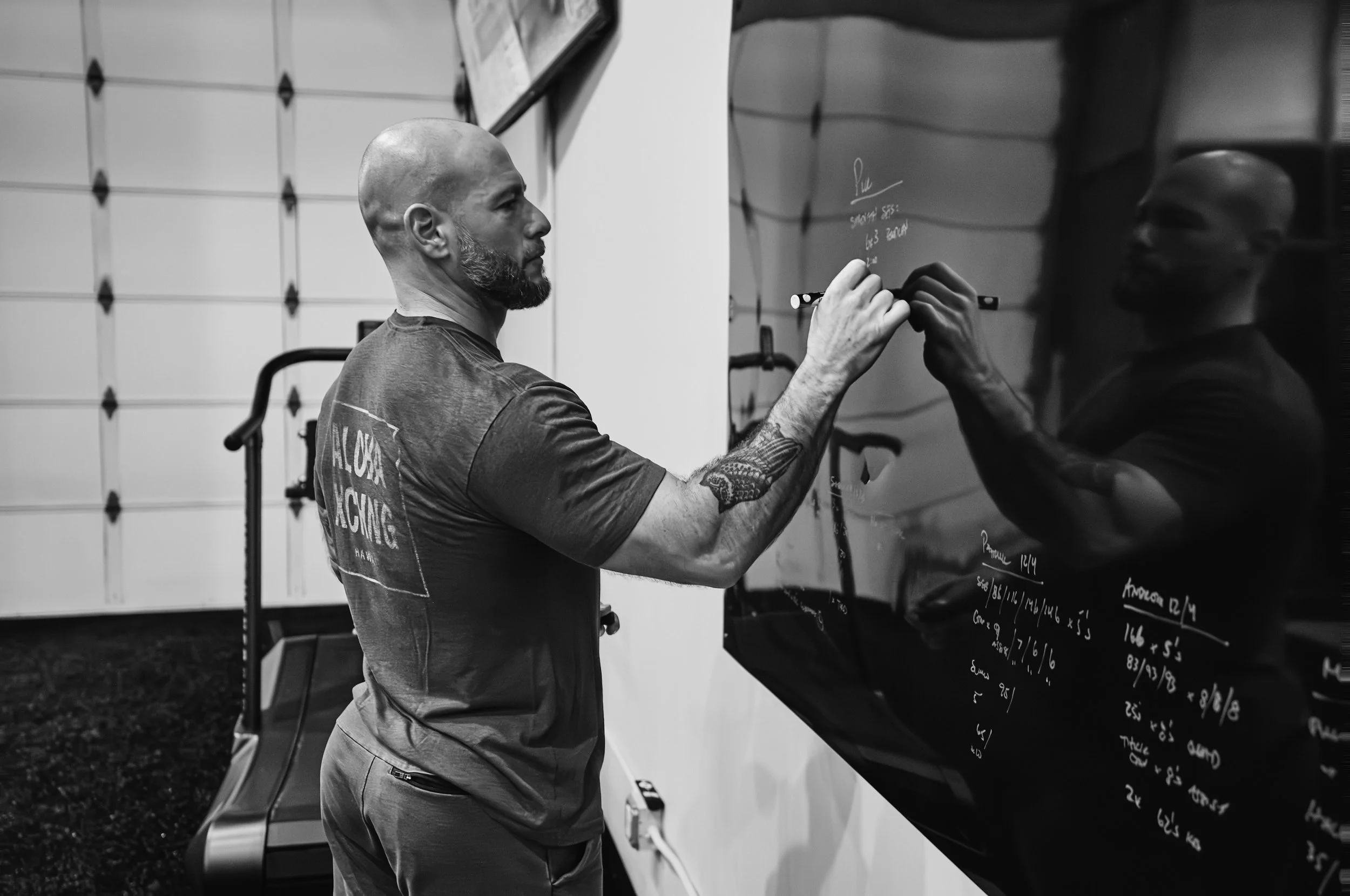
New Class Times + Program! New evening classes have begun and so has our transitional program half way through 2026! New 5:30pm slot Tuesdays and Thursdays now mirrors our morning class offerings and round out your training with power, athleticism, conditioning, and that familiar pump. We look forward to seeing you there! ALL workouts are also now live in our app
June Challenge ended yesterday : Max Rep Winners in all categories will be announced in next newsletter along with the new JULY challenge 😮???
Social Media Update:
Our original social media accounts were unfortunately hacked in May and we're continuing to rebuild under our new Instagram account.
If you see @res.body, that's us.
We'd genuinely appreciate a follow as we get things back up and running, and feel free to share it with anyone who may be trying to build a little more alignment, health, and sustainability into their own life this summer.
Bring a friend and you are both free on either class Saturday morning! If they sign up, receive $100 off your package.
New Personal Training Slots Available – Book a consult if you’re ready to level up
💬 Got questions? Reply here or ask your coach next time you're in