

How do you know if the training you have been doing is actually doing what you had hoped? Progress isn't always obvious, and it doesn't always show up where you expect it.
It's a reasonable question, especially when you're putting time, effort, and money into your health and fitness. You're showing up, following your program, and doing the work. But how do you know whether it's actually paying off?
For some people, progress is easy to recognize in some areas. They're lifting heavier weights, performing more repetitions, running faster, or noticing changes in their body composition. Those are useful measures, and we pay attention to them.
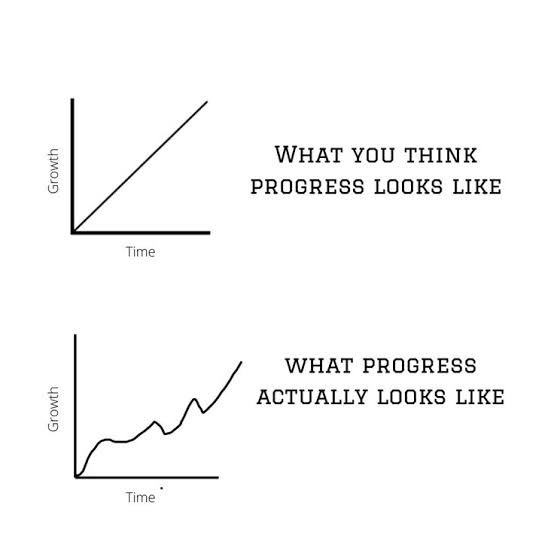
But progress isn't always so straightforward. Sometimes the most meaningful improvements are happening outside the gym, or in ways you might not have thought to measure. Additionally, progress isn’t always perfectly linear.
A Harder Workout Doesn't Necessarily Mean a Better Workout
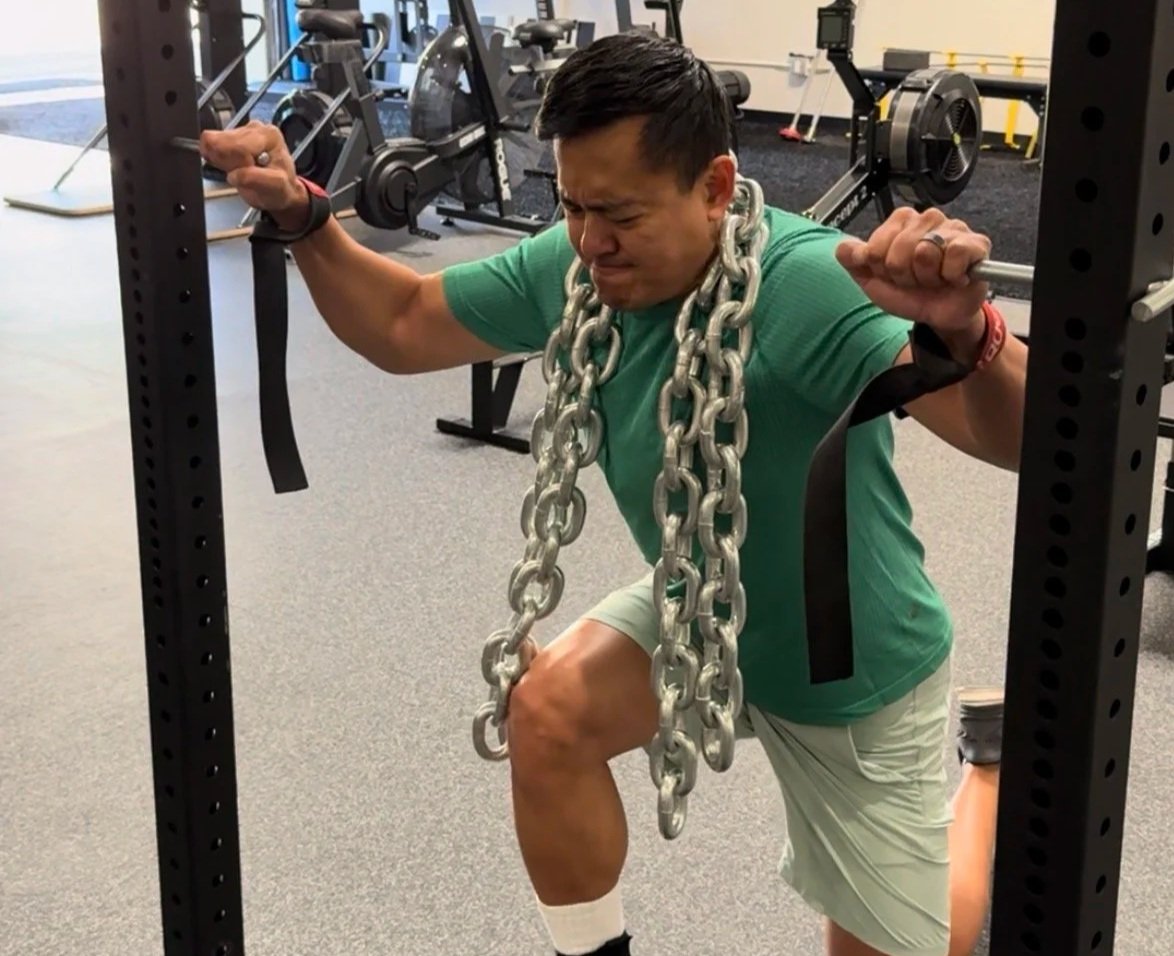
There's a tendency to judge exercise by how difficult it feels. Did you sweat enough? Are you sore the next day? Were you completely exhausted when you finished?
None of those things, by themselves, tells us whether your training is working.
Soreness can occur when you introduce unfamiliar exercises or significantly increase training demands. It doesn't necessarily mean you've stimulated more muscle growth or made greater progress. Likewise, finishing a workout feeling reasonably good doesn't mean you didn't train hard enough.
The goal isn't to demonstrate how much punishment you can tolerate. It's to give your body an appropriate challenge, recover, and gradually become more capable.
That usually requires some consistency in what we're doing, enough challenge to encourage adaptation, and thoughtful adjustments along the way. The American College of Sports Medicine's updated resistance training guidance reinforces the importance of tailoring training to individual goals and choosing approaches people can realistically maintain.
Sometimes Progress Looks Like Doing the Same Thing Better
Consider an exercise you've been doing for several weeks.
Maybe you're lifting the same weight, but it's moving more smoothly or with greater speed. You're completing more repetitions with a similar level of effort, maintaining better control and form, or recovering more comfortably between sets.
You haven't necessarily added weight to the bar, but something has changed.
Over time, we might increase the load, add repetitions, adjust the range of motion, or introduce a more challenging variation. Other times, repeating the same movement and improving its execution is precisely what we want.
That doesn't mean every session needs to be better than the last. Stress, sleep, illness, and the demands of everyday life all influence performance. A tough Tuesday doesn't erase the progress you've made over the previous two months.

What About the Progress You Notice Outside the Gym?
This is where things often become more interesting, and we as coaches often see the most reward when our clients come back with stories of what they have been able to achieve that they couldn’t before.
Maybe you're getting through a long workday with less fatigue. Carrying groceries, picking up your kids, or getting up from the floor feels easier. You've returned to hiking, gardening, or a recreational activity like running that you hadn't felt confident doing for a while.
For someone dealing with persistent discomfort, progress might mean tolerating more activity, experiencing fewer limitations or pain sensations, or gradually rebuilding confidence in movements they'd been avoiding.
Pain is complex, and exercise isn't a guaranteed solution to every painful condition. Sometimes we need to modify training, investigate persistent symptoms, or involve an appropriate healthcare professional. But improving strength, movement tolerance, and physical capacity can be important pieces of the picture.
We've discussed this before in our article on training around or through pain. The point isn't to ignore what your body is telling you. It's to find an appropriate way forward.
Ultimately, getting stronger should help you do more of the things that matter to you, not just produce a more impressive number in the gym.
Consistency Is a Form of Progress, Too
Here's something that doesn't get enough credit: building a training routine that survives real life.
If you've gone from exercising sporadically to consistently training twice a week for several months, that's a very meaningful accomplishment that may be delivering the largest share of your results rather than trying to fine-tune plans that you can’t stick to. Especially when you're juggling work, family, travel, and everything else competing for your attention.
Of course, showing up is only part of the equation. Your training still needs to be appropriate for your goals and sufficiently challenging over time. But even an excellent program accomplishes very little if it's too complicated, demanding, or inconvenient to sustain.
This is one reason we put so much emphasis on meeting people where they are. Some clients have room for longer or more frequent sessions. Others need two well-structured workouts, a manageable amount of conditioning, and a plan that can bend a little when life gets messy.
The best approach isn't necessarily the most elaborate one. It's one that provides enough stimulus to make progress and enough flexibility to keep going.
So, How Should You Measure Your Progress?
Start by asking yourself a few questions about the last six to eight weeks…maybe longer
Are you lifting more, performing more repetitions, or handling familiar exercises with greater confidence? Has your conditioning improved? Are there activities outside the gym that feel easier or more manageable? Have you become more consistent with your training?
Not every answer needs to be yes. Sometimes we don’t see even any one thing dramatically improve over a single mesocycle. What matters is that we're looking at the whole picture and comparing the results with what you actually want to accomplish longer term.
At Resilient Body, this is part of what coaching should provide. We establish a starting point, monitor performance and show you how to do this too, listen to your feedback, and make adjustments as needed. Sometimes that means pushing a little harder. Sometimes it means changing the exercise, managing fatigue, or recognizing that the plan needs to fit your life better.
We're not just trying to help you complete workouts. We're trying to help you build strength, reduce physical limitations, and develop habits that last.
Because the most meaningful sign that training is working might not be what you accomplished during today's session or even the last 6 weeks of this training cycle. It might be what you're becoming capable of doing everywhere else bigger picture.
Think about this as we move into our final block of training next week and what you may want to work on in the new year ahead of us. Get with your coaches and make a gameplan.
Around the Gym
Holiday Party — December 5: Our annual Resilient Body holiday party is coming up! Make sure you have RSVP’d!
Member Survey: If you haven't completed the class schedule and preferences survey shared in last week's email, we'd still love your input. Click here to respond.
BodySpec & DEXA: We've been sharing some great moments from our recent DEXA event, including Natu's interviews with members and the BodySpec team. If you'd like help understanding your results and identifying meaningful next steps, reach out to Micah or any of your coaches.
In Health,
Micah & The Resilient Body Team
📣 Quick Announcements:
November’s Bracket Challenge Continues This Week! 😎 We’re mixing things up with a new challenge each week for four weeks, built into Friday classes and personal training sessions. Make sure you lock in your Week# 2 3-minute MedBall Shot Challenge before we get into this week’s Cliffhanger Inverted Row challenge on Friday!
Save the Date: Resilient Body Holiday Party — December 5! Join us to celebrate another year with the people who make this community what it is. Please RSVP and mark your calendar!
Assisted Stretch sessions with Julie are underway! Many of you may not realize that Julie has been an assisted stretch practitioner for quite some time and knows exactly what to look for. These individualized sessions give you dedicated time to work on range of motion, explore positions that may be harder to access on your own, and simply spend some focused time addressing areas that feel stiff or restricted. You can book Julie here.
Massage & Manual Therapy with Evan on Saturdays and Sundays: Evan is now available Tuesdays, Thursdays, Saturdays and Sundays. If you need a little TLC from life or training, you can book Evan here.
New Personal Training Slots Available: Book a consultation if you're ready for more individualized coaching. – Book a consult if you’re ready to level up
💬 Got questions? Reply here or ask your coach next time you're in