

Does Everything Need More Protein?
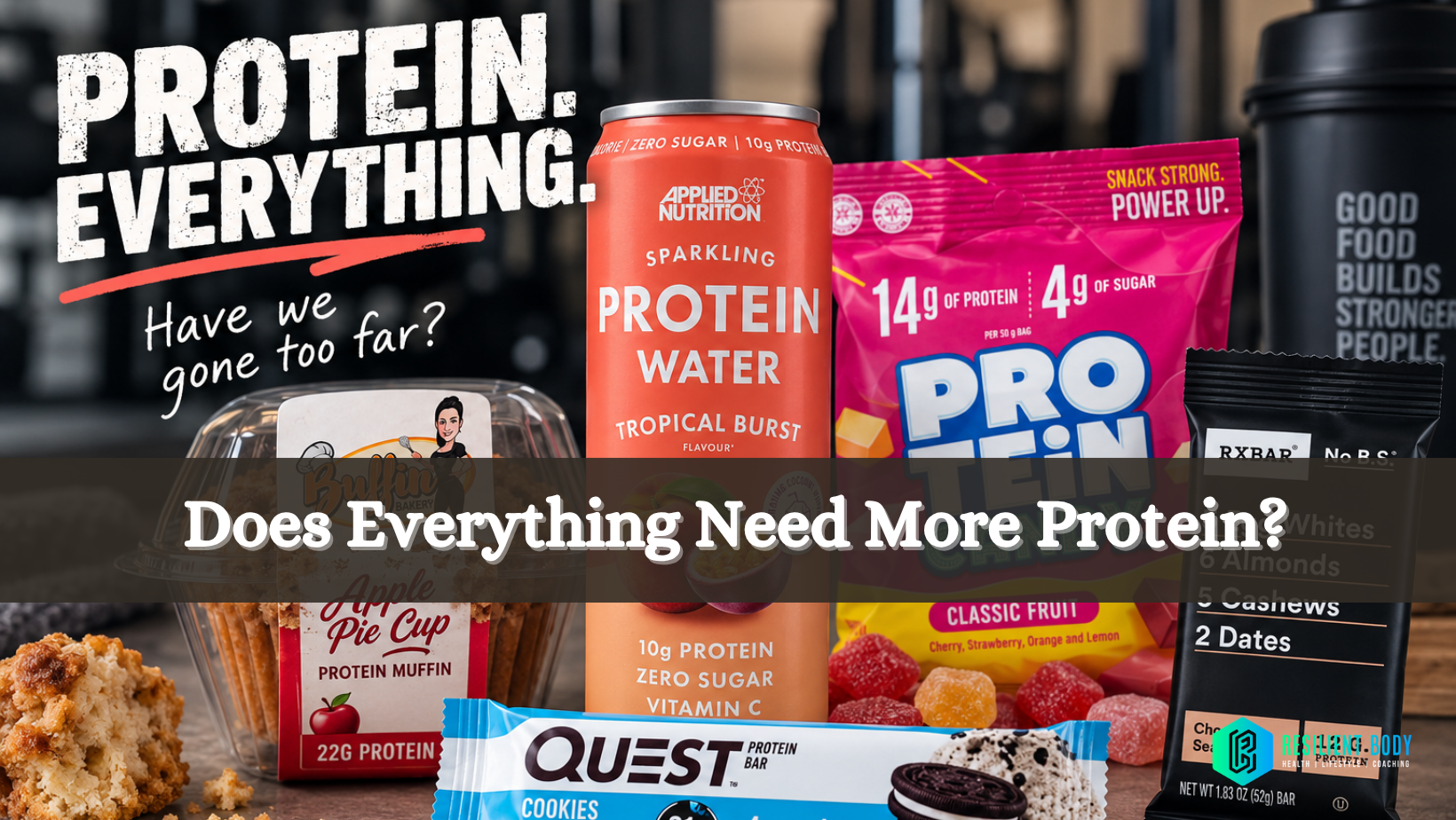
I think I finally hit my protein saturation point this weekend.
I heard about protein candy at almost exactly the same time my wife came home with a sparkling protein water for us to try. Neither of these things is inherently bad. In fact, she thought the protein water was pretty decent. But it did make me stop and think: “Have we reached protein BLEEPING everything??!”
Protein cereal. Protein pancakes. Protein chips. Protein cookies. Protein coffee. Protein ice cream. Protein water. Protein candy. Somewhere along the way, a very reasonable recommendation to eat adequate protein became an entire industry built around adding protein to seemingly everything we consume. And yes, the fitness industry is to blame in many ways on that one.
To be clear, we are very much pro-protein at Resilient Body. The question isn't whether protein matters, though. It's whether putting more and more emphasis on it eventually makes us lose sight of the rest of our diet.
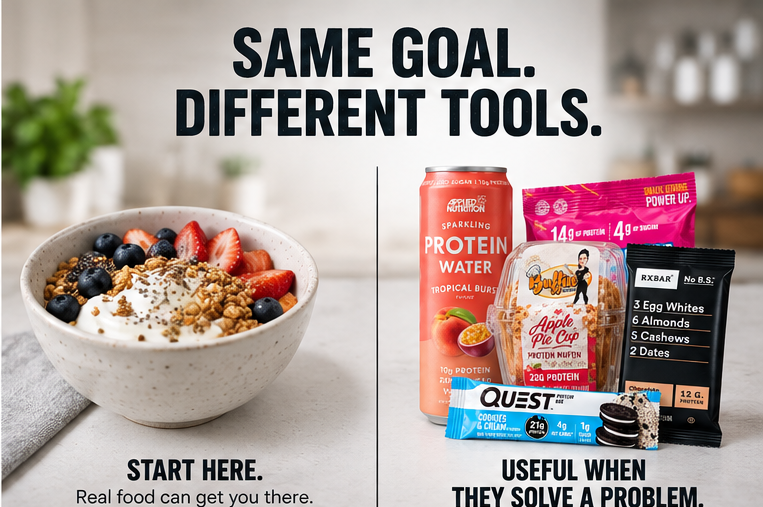
Yes, You Probably Should Pay Attention to Protein
While not just “tools”, more so, different whole food based items can be a better place to start often times.
Protein plays an important role in maintaining muscle, recovering from training, managing appetite, supporting bone and metabolic health, and maintaining strength and function as we age. It's also quite literally part of the structure of our bodies and is required for an enormous number of processes in human physiology. And, of course, it IS one of the areas where some people genuinely aren't eating enough.
We went much deeper into the science in our previous article, [Protein, Plants, and the Nutrition Noise Problem], so we won't recreate that entire discussion here.
The practical version is that around 1.2–1.6 grams of protein per kilogram of bodyweight per day is a very reasonable range for many active adults interested in health, recovery, satiety and maintaining muscle. We usually throw around 0.7–0.8g/lb for us Imperial folks as an easy target. Your individual needs can move up or down depending on your age, training, calorie intake, body composition goals and other factors.
For some perspective, that works out to roughly:
150 lb person: 80–110g
180 lb person: 100–130g
220 lb person: 120–160g
You can certainly have reasons to eat more than that, but you probably don't need to turn every beverage and snack into a protein-delivery vehicle to get there. Remember that your total adds up across the day too. Plenty of foods we'd primarily consider carbohydrates, like grains, breads, oats, pasta and legumes, still contribute protein even if that's not the main reason we're eating them.
So How Do You Actually Get Enough?
This doesn't have to be complicated. Instead of trying to sneak five grams of protein into everything you eat, start by putting a meaningful protein source into your actual meals. Eggs or Greek yogurt at breakfast, chicken, fish, lean meat, tofu, tempeh or legumes with lunch and dinner, and cottage cheese, yogurt, eggs or other protein-rich foods as snacks can get you a long way without much effort.
If you eat three meals containing roughly 25–40 grams of protein each, you're already a long way toward an appropriate intake for a lot of people. And yes, a protein shake can make that easier too.
The goal isn't to win some whole-food purity contest. It's simply much easier to make sense of your nutrition when most of your protein comes from foods that were already good sources of protein before someone printed 20G PROTEIN across the package.
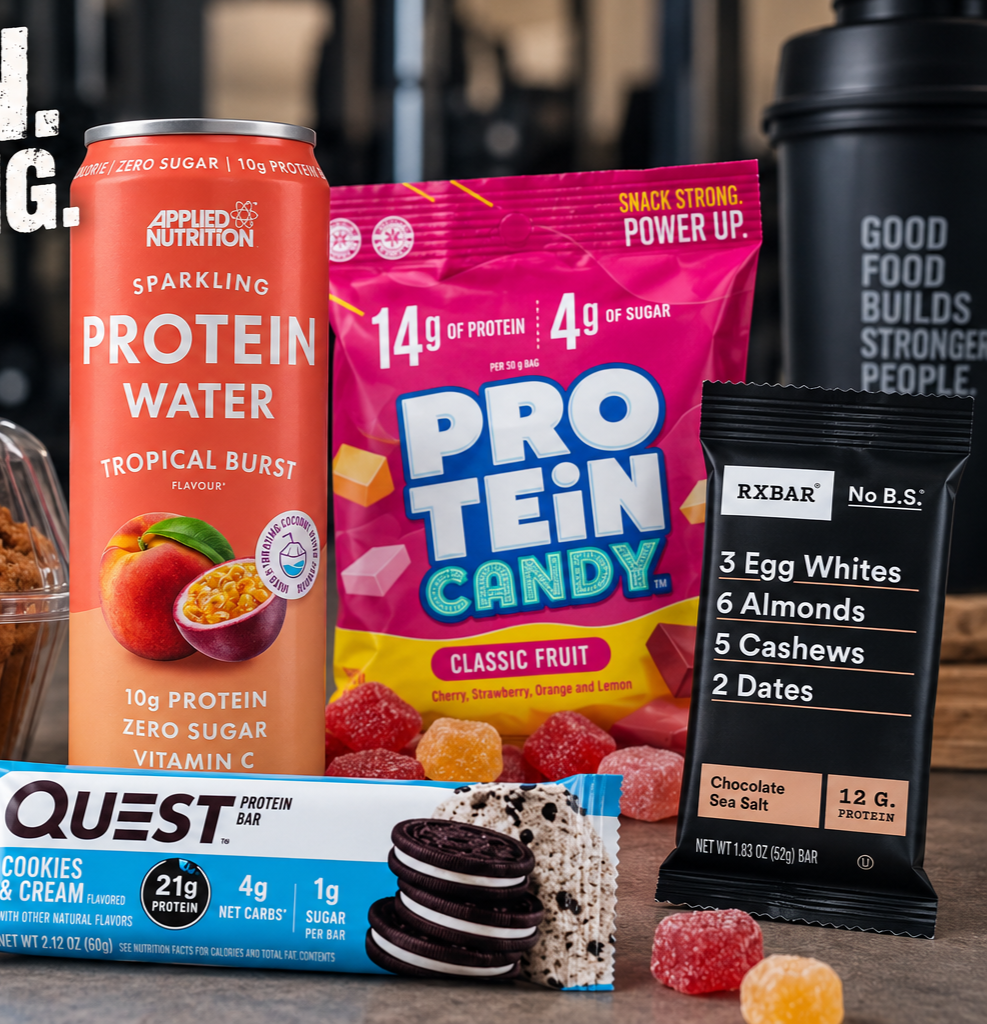
When the Protein Version Actually Makes Sense
This is where I don't want the message to get lost. Protein-fortified foods can be genuinely useful. Someone who eats little or no meat may have to be more deliberate about protein, while an older adult with a smaller appetite may struggle to eat enough total food to reach an appropriate amount. A shake can also be a much more realistic breakfast for someone who doesn't normally eat in the morning, or an easy option when you're traveling, trying to maintain muscle while losing weight, or have 15 minutes between work and training.
And sometimes you just really like the protein cereal. That's fine too.
We use protein powders and convenience foods ourselves, and we regularly encourage people to find easier ways to increase protein when they're consistently falling short. A shake, bar, yogurt, fortified food or even that sparkling protein water can solve a legitimate problem. The difference is using the product to solve a problem rather than inventing a problem because the product exists.
Don't Lose Sight of the Forest for the Trees
We humans have an impressive ability to identify something beneficial, obsess over it, package it, market it, and eventually create an entire industry around maximizing it. This isn't entirely new either. Protein bars have been making the rounds for decades. We've just gotten substantially more creative about the things we're willing to put protein into.
Meanwhile, plenty of us still aren't drinking enough regular water. Most adults could stand to eat more fiber and plants. Some of us eat more total calories than we need, barely eat fruits or vegetables, sleep poorly, or simply have wildly inconsistent eating habits. Adding another 12 grams of protein to your candy probably isn't the highest priority.
That doesn't make protein candy, protein water, protein chips or any of the other increasingly creative protein products bad foods. If you like them and they help you meet your needs, have at it. Just remember what we're actually trying to accomplish.
Eat enough protein for your body, goals and stage of life. Get most of it from foods you enjoy. Use convenient protein products when they're actually convenient. Then leave some room in your nutrition brain for everything else that matters too.
Not everything needs more protein. Although I'm still going to to drink my chocolate Fairlife.
📣 Quick Announcements:
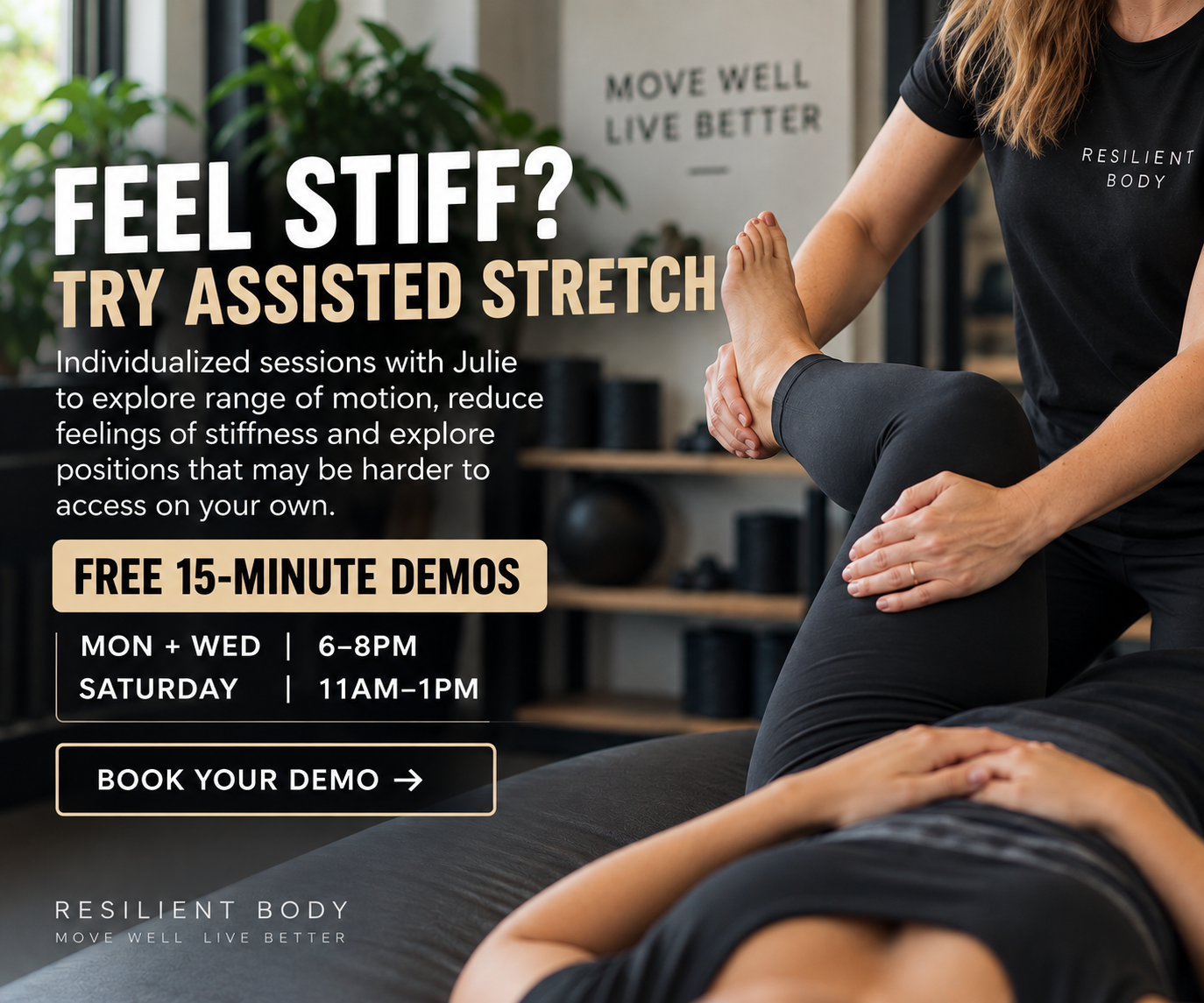
Assisted Stretch sessions with Julie are underway! Many of you may not realize that Julie has been an assisted stretch practitioner for quite some time and knows exactly what to look for. These individualized sessions give you dedicated time to work on range of motion, explore positions that may be harder to access on your own, and simply spend some focused time addressing areas that feel stiff or restricted.
Julie is offering FREE 15-minute Assisted Stretch demos this Monday and Wednesday from 6–8pm and Saturday from 11am–1pm. Snag your spot here → BOOK JULIE
Massage & Manual Therapy with Evan: Evan is officially taking appointments. BOOK EVAN
DON’T FORGET: NEW SATURDAY CLASS TIMES & FORMAT STARTS 9/12/26: Starting this Saturday, we're also adding Open Gym alongside the Daily Workout during Functional Pump. You'll still have the programmed workout available, but you'll now have the option to use that time to work independently on your own training. Functional Pump + Open Gym is 9-10a, Stretch + Restore is 10-11a.
September Challenge: POWER. Training for the Power Triple Challenge is underway and already begun in our Perform Class on Tuesdays! Get ready: 3 Events done in a single session will be the MAX Wattage Bike Erg, MAX Distance Broad Jump, MAX Push Press. Outputs will be weight adjusted.
Bring a Friend Saturdays: Bring a friend and you're both free for either Saturday morning class. If they sign up, receive $100 off your next package.
New Personal Training Slots Available: Book a consultation if you're ready for more individualized coaching. – Book a consult if you’re ready to level up
💬 Got questions? Reply here or ask your coach next time you're in