

Are You Eating Enough When It Matters?

Most of us have heard some version of the same nutrition advice. Eat more protein. Get enough fiber. Choose mostly whole foods. Watch your portions. If fat loss is the goal, eat a little less.
None of that is necessarily wrong. In fact, we've given plenty of that advice ourselves.
But someone can check nearly every one of those boxes and still have a pretty lousy day nutritionally if they simply haven't eaten enough food to support the day they're having.
Maybe the morning gets busy and breakfast is small or nonexistent. Lunch gets pushed back, or it's something quick that technically checks the "healthy" boxes but isn't particularly substantial. Work gets hectic. Kids need something. Maybe there's a workout squeezed somewhere in the middle of it all.
For most of the day, you actually feel pretty good. You're busy enough that you don't think much about food.
Then you finally get home, slow down, and you're starving.
We see this with many of our busy career and family oriented clients all the time, and we're certainly not immune to it ourselves. On particularly busy coaching and training days, we coaches can also occasionally underestimate how much food we'll need, packing too little, and feeling relatively fine while bouncing between clients and training. Then we finally gets home and realize just how hungry we actually are.
The problem didn't suddenly appear at 7 p.m. Most of the day was spent creating it.
And that leads to an important distinction: being distracted from hunger isn't the same thing as being adequately fueled.

So Is the Problem Just That You're Not Eating Enough?
Sometimes. But not necessarily.
Someone can ultimately consume plenty of food over the course of 24 hours while spending the portion of the day when they're most physically and mentally active inadequately fueled. A large percentage of their total intake simply gets pushed into the evening when everything finally slows down.
There's also nothing inherently wrong with eating a large dinner or having an evening snack. Eating at night isn't the problem we're talking about.
The pattern worth paying attention to is repeatedly arriving there ravenous because the rest of your day didn't support you particularly well.
This distinction matters because nutrition conversations tend to focus heavily on what we eat and how much we eat while paying less attention to when that food is actually available relative to the demands of our day.
Eating enough, eating foods that keep you satisfied, and eating at times that support what you're asking your body to do are interconnected. Nutrition advice often treats them like separate problems.
Can't I Just Eat More Protein and Fiber?
Maybe. They're both great places to start.
Protein is important for general health; and of course maintaining and building muscle, particularly for people who strength train. Higher-protein meals can also improve satiety. Fiber-rich foods provide numerous health benefits and can help meals feel more filling.
We've recommended both plenty of times because, as general nutrition advice goes, it's pretty good. It's just incomplete.
How satisfying a meal is depends on much more than whether you checked the protein and fiber boxes. Total energy matters. So do food volume, energy density, carbohydrates, fats, whether you're drinking or chewing those calories, how quickly you're eating, how palatable the food is, your activity level, sleep, stress, and simply how large the meal actually is. There is so much more that goes into satiety.
Individual response matters too. Two meals with identical calories and macronutrients don't necessarily leave two different people feeling equally satisfied.
A meal can be high in protein and fiber and still simply not be enough food.
A bowl of Greek yogurt and berries, for example, might be a perfectly good meal in one context. For someone who has already coached or worked all morning and plans to train hard that afternoon, it might function more like a snack.
The answer isn't necessarily another scoop of protein powder or an extra handful of vegetables. Sometimes you simply need a more substantial meal.
That may mean more carbohydrate. It may mean some additional fat. It may mean more total food. And it may mean eating before you're so hungry that almost anything in front of you becomes difficult to resist.

What Does This Have to Do With Your Workouts?
Potentially quite a bit.
One undersized breakfast isn't going to ruin your training, and we don't want to turn normal variations in eating into another thing people need to obsess over. Your body is remarkably capable of handling imperfect days.
But if showing up inadequately fueled becomes the norm, training can expose it.
A hard strength session requires energy. So does conditioning. Carbohydrate availability can influence higher-intensity performance, while adequate total energy and protein support recovery and adaptation over time.
Sometimes this simply feels like, "I don't have it today."
Weights feel heavier than expected. Normal conditioning feels unusually difficult. Your perceived effort is higher. You struggle to progress loads that ordinarily move well.
And it isn't only the person training after work who needs to think about this.
Your body doesn't start its accounting when the workout begins.
If you train at 5 p.m., everything you've eaten throughout the day contributes to what you bring into that session. If you train first thing in the morning, what you ate the previous day and how well you've recovered still matter. Your training, nutrition, sleep, stress, and recovery don't exist in separate little 24-hour boxes.
Food isn't only something we manage to control body weight. It's also fuel for the things we're asking our bodies to do.
But What If I'm Trying to Lose Weight? Shouldn't I Be Eating Less?
Yes.
If fat loss is the goal, an energy deficit still has to exist. Eating more calories does not somehow cause greater fat loss, and we're not going to pretend otherwise.
But there's an important difference between creating an appropriate calorie deficit and trying to eat as little as possible for as long as possible each day.
Imagine someone regularly eats very little through the morning and afternoon, trains after work, and then gets home absolutely ravenous. They may ultimately consume far more during dinner and the hours afterward than they intended.
Now imagine moving some of those calories earlier.
A more substantial lunch. Some carbohydrate and protein before or after training. An afternoon snack that actually holds them over.
If that person arrives home reasonably hungry instead of desperate for food, they may find it considerably easier to eat an appropriate dinner and move on with their evening.
Eating more earlier in the day hasn't magically increased fat loss. It may simply make an appropriate calorie deficit easier to maintain.
That's a very different claim, and it's an important one.
The most aggressive nutrition strategy isn't necessarily the most effective one. The better strategy is usually the one that supports your training, keeps hunger manageable, provides adequate nutrition, and can actually be repeated.
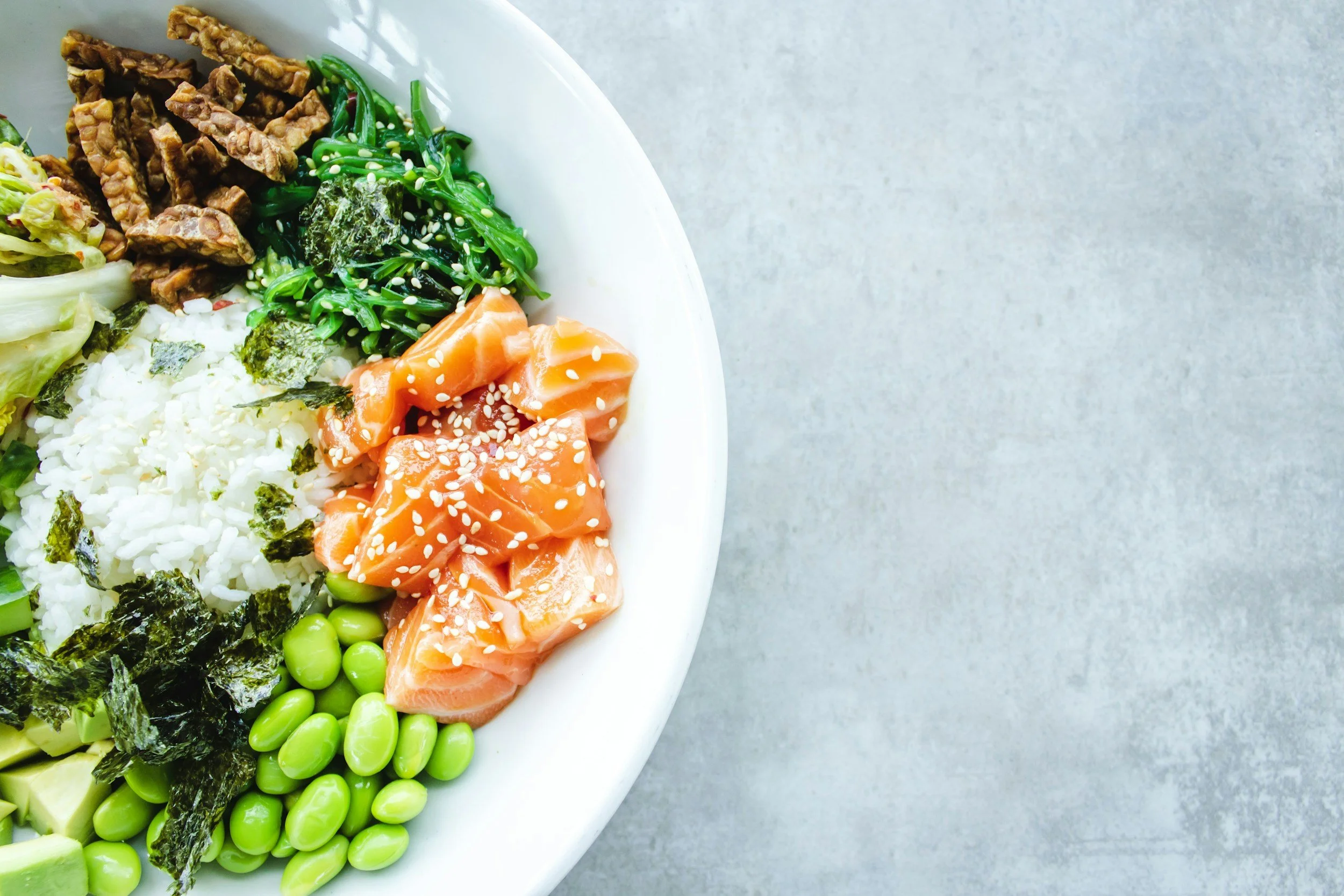
Okay, So How Do I Know If I'm Eating Enough?
There's no universal meal size or schedule that works for everyone, but there are some useful things you can start paying attention to.
1. Look at the First Half of Your Day
This doesn't mean everyone needs to eat breakfast the moment they wake up. Some people genuinely prefer eating later, and that's perfectly fine.
Instead, ask a simpler question: when you do start eating, are you actually feeding yourself?
Is your first meaningful meal substantial enough to support the next part of your day, or are coffee and a couple hundred calories technically being counted as breakfast?
Look at lunch the same way. If your lunch routinely resembles a snack because you're too busy to stop, that pattern is worth noticing.
The goal isn't to follow somebody else's meal schedule. It's to make sure your own schedule isn't repeatedly leaving you playing nutritional catch-up.
2. Pay Attention to What Happens Between Meals
What you eat matters, but so does what happens afterward.
Are you reasonably satisfied between meals? Is your energy relatively stable? Can you train productively? Are you recovering normally? Or are you thinking about food constantly by late afternoon and regularly arriving home absolutely ravenous?
No single one of those things proves that you aren't eating enough. Sleep, stress, training load, hydration, and plenty of other variables can affect how you feel.
Patterns are what matter.
Body weight and body composition can provide additional information over longer periods. If weight is changing substantially faster or slower than intended, that's useful data. But a number on the scale doesn't tell us whether the way you're distributing food throughout the day is actually serving you well.
3. Look at Where Your Food Keeps "Showing Up"
If you regularly find yourself saying, "I'm great all day. I just lose control at night," don't only analyze the evening.
Look backward.
What did you eat earlier? How substantial was lunch? How long did you go between meals? Did you train? Were you hungry at 4 p.m. and ignore it because you were busy? How much actual food had you eaten before dinner?
The evening may not be where the problem started.
Sometimes the most useful nutrition change isn't eliminating the nighttime snack. It's preventing yourself from arriving at that point feeling like you need three dinners.
There Isn't One Definition of "Enough"
This is where nutrition gets frustrating, because we'd love to give everyone a simple formula.
There isn't one.
A smaller person working at a desk on a recovery day doesn't have the same needs as a larger person training hard after a physically demanding workday. Your needs change with your body size, goals, training volume, daily activity, appetite, sleep, age, and plenty of other factors.
That's also why the three ideas above should be treated as signals, not rules.
If you're consistently struggling with energy, training performance, nighttime hunger, or simply aren't sure whether the way you're eating matches what you're trying to accomplish, talk with your coach. We can help you look at the bigger picture rather than immediately prescribing more protein, fewer carbohydrates, a smaller dinner, or whatever simple answer happens to be popular at the moment.
For members who want to dig deeper, a Health & Wellness Audit with Coach Micah gives us an opportunity to look at nutrition alongside your training, recovery, goals, and lifestyle to figure out where the biggest opportunities actually are.
Because good nutrition isn't just about choosing nutritious foods or controlling how much you eat.
It's about eating in a way that actually supports what you're asking your body to do.
📣 Quick Announcements:
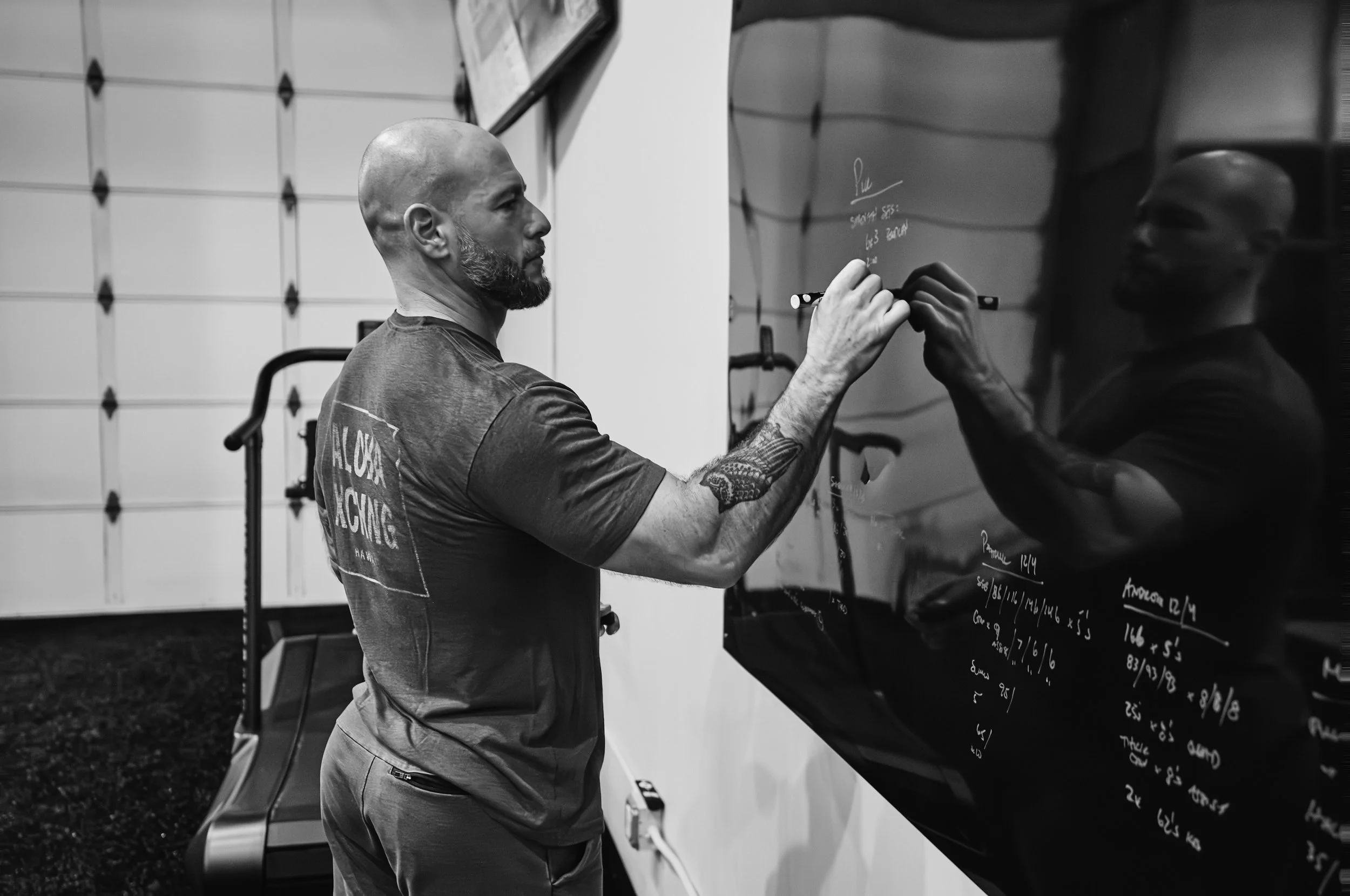
August Challenge and Training Now in the Works! … Our August challenge has already begun, but it’s baked into your current strength training. Your coaches are getting you ready both in class and individual sessions. Look for the final week of the month to be where we look to get after some heavy deadlifts and presses. Show up and train smart and hard. More details on the monitor and with your coaches.
New Program Block Is in full swing with some changes coming to Saturday’s format soon! We hope you are enjoying some of the new movements and class formats.
Bring a friend and you are both free on either class Saturday morning! If they sign up, receive $100 off your package.
New Personal Training Slots Available – Book a consult if you’re ready to level up
💬 Got questions? Reply here or ask your coach next time you're in