

Recovery Is About More Than Your Workouts
We've heard from quite a few clients this week who simply feel run down. And interestingly, for many of them, their workouts don't seem to be the obvious reason.
Work is busy. Kids are starting school. Schedules are changing. Sleep gets disrupted. There's more driving, planning, stress, and less time to slow down. Then you come into the gym and ask your body to train on top of everything else.
Your body doesn't experience the stress of training completely independently from the stress of the rest of your life.
That doesn't mean feeling tired predicts a bad workout. We've all had days when we walked into the gym feeling terrible and proceeded to train like a champ. How you feel and how you perform aren't always the same thing.
But over time, the bigger picture still matters.
Your Body Has One Recovery Budget
We've written before about thinking of your body's resources a little like a bank account. Training makes a withdrawal, while recovery helps replenish it.
But training isn't the only thing making withdrawals.
Poor sleep, psychological stress, inadequate nutrition, dehydration, illness, travel, physically demanding work, and simply spending too many days running from one obligation to another can all contribute to your overall load.
The analogy isn't physiologically perfect, but the concept is useful. Your nervous, endocrine, cardiovascular, immune, and musculoskeletal systems don't operate in isolation. They are constantly responding to what's happening both inside and outside your body.
That's why the same workout can feel completely different from one week to the next, and why recovery has to extend beyond simply taking a day off from the gym.
So Should You Skip Training When Life Gets Stressful?
Usually, no.
Exercise itself can be an incredibly useful part of managing stress, improving sleep, supporting mental health, and increasing our capacity to handle physical demands. Sometimes a great workout is exactly what you needed on a difficult day.
But good coaching means paying attention to the whole person.
Sometimes we push. Sometimes we maintain. Sometimes your coach gives you another minute between sets, adjusts an exercise, pulls back the conditioning, or simply doesn't ask you to add weight that day. Occasionally, the right decision really is to back off and recover.
Good programming isn't just knowing when to apply stress. It's knowing when and how much stress is appropriate.
Recovery Isn't Just "Doing Nothing"
Sleep, nutrition, and hydration remain foundational. Lower-intensity movement can help. So can simply having periods when you aren't asking your brain or body to perform.
But restoration can also be intentional.
A walk can change how you feel. So can an hour away from work, time outside, mobility work, a nap, a good meal, or spending time with people you enjoy.
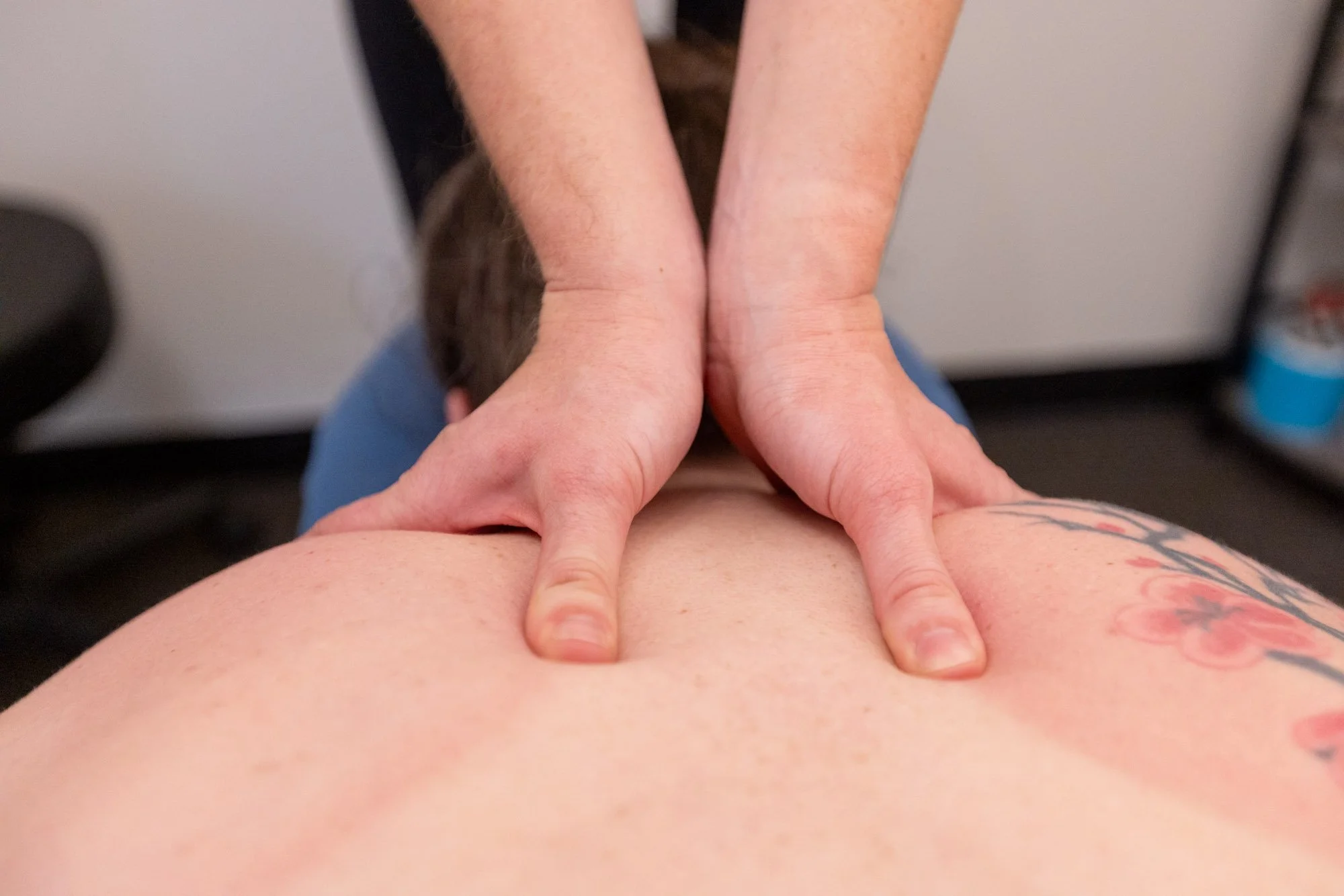
And massage and manual therapy can be valuable tools here too.
Massage Is More Than a Luxury
We sometimes talk about massage as though its value depends entirely on whether it can make a muscle physically repair itself faster.
That's far too narrow a definition of recovery.
Massage has been shown to help reduce post-exercise soreness and improve flexibility, while research also supports improvements in perceived recovery, relaxation, mood, stress, anxiety, and fatigue. It doesn't reliably produce an immediate jump in strength or athletic performance, but that's not the only outcome that matters.
Hands-on therapy can also influence pain perception, range of motion, autonomic activity, and how someone experiences tension and discomfort. Some research has found acute changes in measures such as heart rate variability and other cardiovascular or autonomic responses following massage, although the exact mechanisms and longer-term physiological effects are still being worked out.
And this is where we think the conversation around recovery sometimes misses the forest for the trees.
Feeling better matters.
Subjective well-being isn't disconnected from physiology. Your perception of pain, stress, fatigue, safety, relaxation, and readiness emerges from complex interactions throughout the brain and body, and those systems influence one another in ways that are far more complicated than any single recovery marker can capture.
We don't need to claim that a massage "flushes toxins," magically repairs muscle, or resets your nervous system to recognize its value.
If an intervention leaves you moving more comfortably, feeling less sore, less stressed, more relaxed, and generally more restored, those are meaningful outcomes in their own right. They can also influence what happens next: how you move, how you sleep, your willingness to train, how you interact with the people around you, and how prepared you feel to take on another demanding day.
That's recovery too.
Supportive Care Keeps You Humming Along
There's a tendency to wait until something is wrong before taking care of ourselves.
We book the massage when something hurts. We prioritize sleep once we're exhausted. We take a recovery day only after we've buried ourselves. We finally slow down when our body gives us no other choice.
It doesn't always need to work that way.
Recovery doesn't have to be something you earn by first running yourself into the ground.
I am certainly guilty of this too. Between coaching, my own training, running the business, family life, and everything else packed into a week, sometimes the accumulated load has very little to do with how difficult that day's workout was.
Supportive care is partly about recognizing that reality and doing things that help keep you humming along before you're completely depleted.
Massage and manual therapy can be part of that. So can walking, eating enough, getting to bed earlier, mobility work, taking an easier training day, or simply creating an hour in which nobody needs anything from you.
Restoration isn't separate from being healthy and resilient. It's part of it.
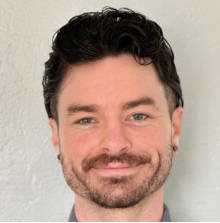
Meet Evan
That makes this a particularly good week to introduce Evan Bachelder, our newest Massage & Manual Therapist at Resilient Body.
Evan brings several years of experience in sports and medical massage, backed by an 800-hour education from the National Holistic Institute and extensive continuing education. His experience ranges from helping runners, swimmers, and strength athletes with training and recovery to working with people managing injuries, surgery recovery, and the physical demands of everyday life.
His approach fits naturally with ours: start with the person in front of you and use the right tools for what they need that day. He'll be offering full massage and manual therapy sessions as well as shorter targeted sessions for more focused work.
And you don't have to wait until something hurts. Sometimes you're sore, sometimes you're training hard, and sometimes life has simply been asking a lot of you. Supportive care can be just as much about keeping yourself humming along as fixing something that's already gone wrong.
Evan will be offering complimentary demo sessions this week so members can meet him, experience his approach, and see how his work might fit into their own recovery. SIGN UP HERE.
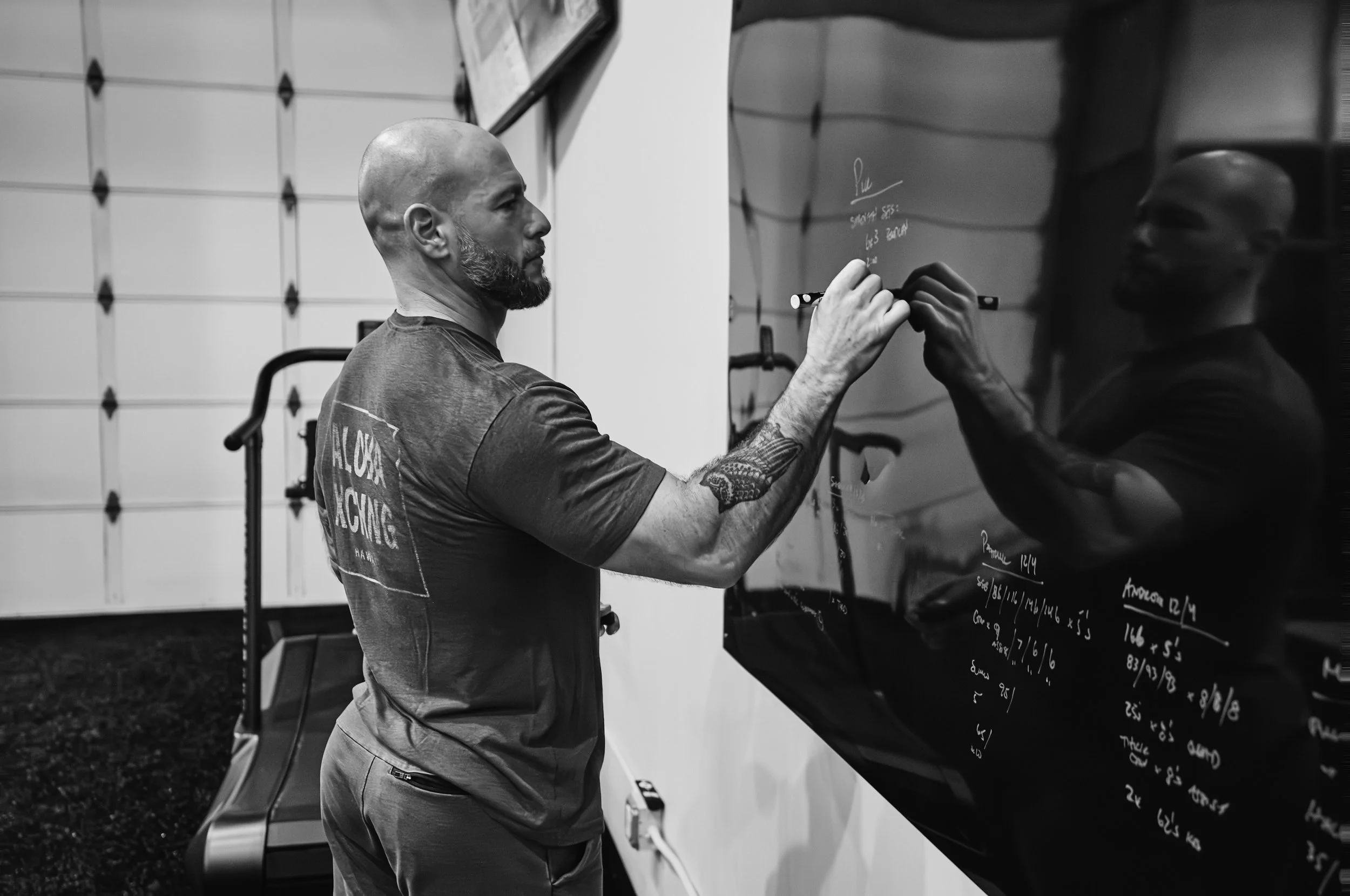
📣 Quick Announcements:
Don’t forget to book your complimentary 15 minute demo session with our new massage therapist Evan Bachelder here 👉 BOOK YOUR TIME. Evan will be here for these special short demo sessions 8/21, 8/25, and 8/27.
August Challenge and Training Now in the Works! … Our August challenge has already begun, but it’s baked into your current strength training. Your coaches are getting you ready both in class and individual sessions. Look for the final week of the month to be where we look to get after some heavy deadlifts and presses. Show up and train smart and hard. NEXT WEEK WE TEST OUR STRENGTH!
New Program Block Is in full swing with some changes coming to Saturday’s format soon! We hope you are enjoying some of the new movements and class formats.
Bring a friend and you are both free on either class Saturday morning! If they sign up, receive $100 off your package.
New Personal Training Slots Available – Book a consult if you’re ready to level up
💬 Got questions? Reply here or ask your coach next time you're in