

Squat Smarter: High-Bar or Low-Bar?
QUICK ANNOUNCEMENT: We’re getting excited for our upcoming Nutrition Seminar on Saturday, November 1st, 2025 — a morning built around practical, science-backed tools to help you eat better without falling for the noise, fads, or all-or-nothing thinking.
Reserve your spot today — space is limited!
ABOUT SQUATS: If you've ever felt like the barbell back squat just "doesn't feel quite right" or you're not sure why one style feels stronger than another, you're not alone—and you're also asking the right questions.
The barbell back squat is one of the most foundational tools we use in class for building absolute strength. It's a powerhouse movement that challenges the whole body, and when done well, it’s a long-term investment in both performance and resilience. But here’s the thing: how you squat—specifically, where that bar sits on your back—really matters.
And that’s where understanding the subtle differences between the high-bar and low-bar back squat can be a total game changer for some.
The Bar Shift: Just an Inch, but a World of Difference
We just posted a short but super informative video featuring Coach Jess demonstrating both the high-bar and low-bar squat positions. Don’t miss it—it’s linked below and it really helps to see the difference in action.
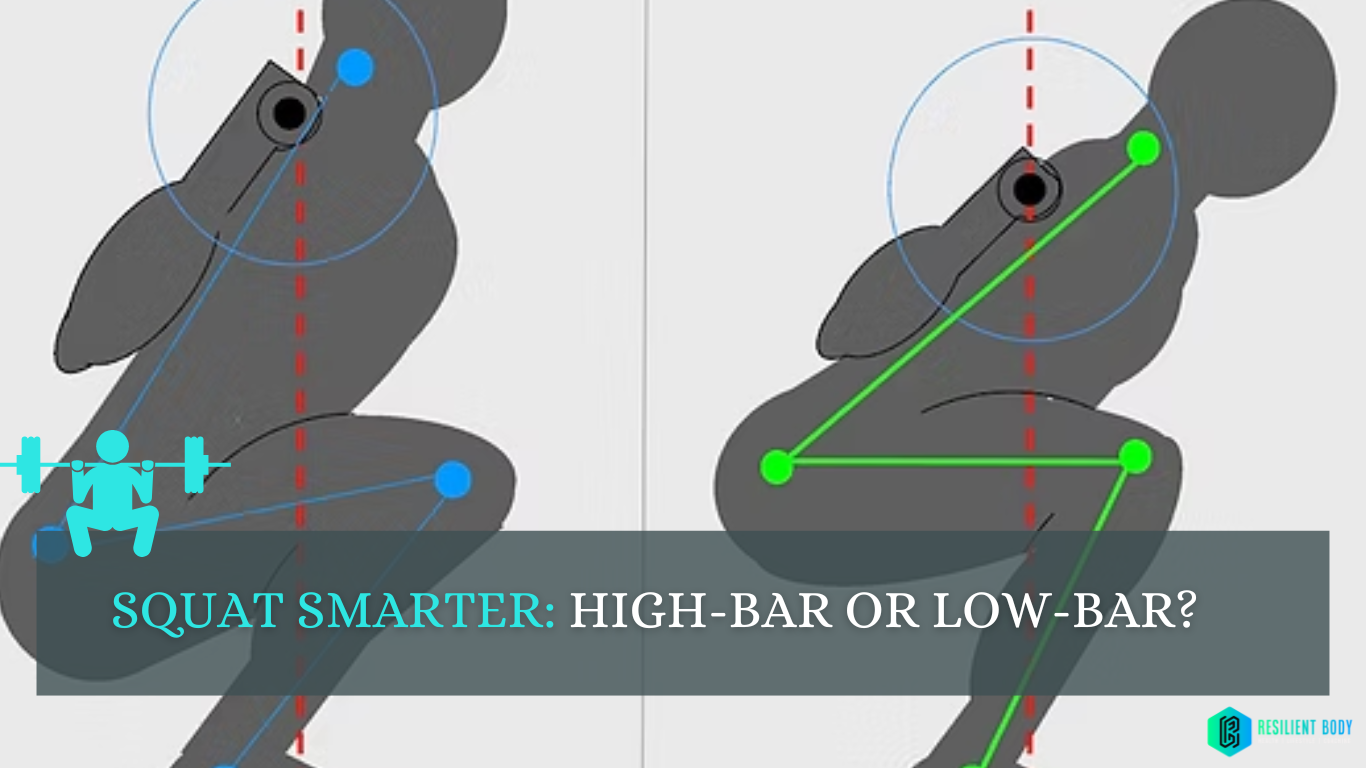
In the video, you’ll notice something important: even shifting the bar just an inch lower on the back can change how your torso angles during the squat. In a high-bar squat, the bar rests higher up on the traps, encouraging a more upright torso position. In contrast, the low-bar squat positions the bar further down across the rear delts, which usually results in a more forward lean—not a bad thing, just a different loading strategy.
This slight shift can help or hinder your squat depending on your body’s leverages, mobility, and what feels natural for you.
It’s Not Just Preference—It’s Anatomy
One of the coolest things we see in class is how people naturally start to gravitate toward one squat style over the other. For example, folks with longer legs or shorter torsos often find the low-bar position gives them more power and balance. Meanwhile, those with a longer torso or more upright posture may feel stronger and more comfortable with a high-bar squat.
Neither is “better” than the other. They're just different tools for different bodies and different goals.
And it's not just about bar placement. We also like to use other specialty tools—like the safety squat bar or the transformer bar—to meet people where they are. These options can offer more joint-friendly variations while still building serious strength, especially if the traditional barbell squat has been a sticking point for you.
The Devil's in the Details (and Why Coaching Matters)
Let’s be real: squatting looks simple... until you try to do it well. That’s why the nuance matters. Details like bar position, foot stance, bracing, and even the kind of barbell used can make or break how a squat feels—and whether or not it’s serving you.
This is where coaching really shines.
Whether you’re training 1:1 or in a small group, working with a coach allows us to dial in your ideal squat style based on your goals, anatomy, and how you move. If you’ve ever struggled with the back squat or just wondered if it even belongs in your training (spoiler alert: there are many valid ways to squat), we can help you figure that out.
📹 Watch Coach Jess Demo High-Bar vs. Low-Bar Squats
Coach Jess walks through both styles, showing just how impactful small adjustments can be. Watch the torso angle change with just a one-inch bar shift. It’s the kind of visual feedback that makes all the difference when learning or refining your squat technique.
As always, we’re here to help you lift smarter, move better, and build strength that actually supports your life outside the gym.
Got questions about your squat, bar placement, or anything else we covered here? Drop a comment or hit reply—we’d love to chat more about what’s best for you.

📣 Quick Announcements:
🥙 Nutrition Seminar - Nutrition 101 Seminar — Saturday, November 1st, 2025
10:00–11:30 AM at Resilient Body - $25 for members (Code: NU10) | $35 for non-members
👥 Small Group Cap = 8 People – Get personal attention in a supportive group setting
🏋️♂️ New Personal Training Slots Available – Book a consult if you’re ready to level up
💬 Got questions? Reply here or ask your coach next time you're in