

"I Can't Touch My Toes Because My Hamstrings Are Tight"... Right?
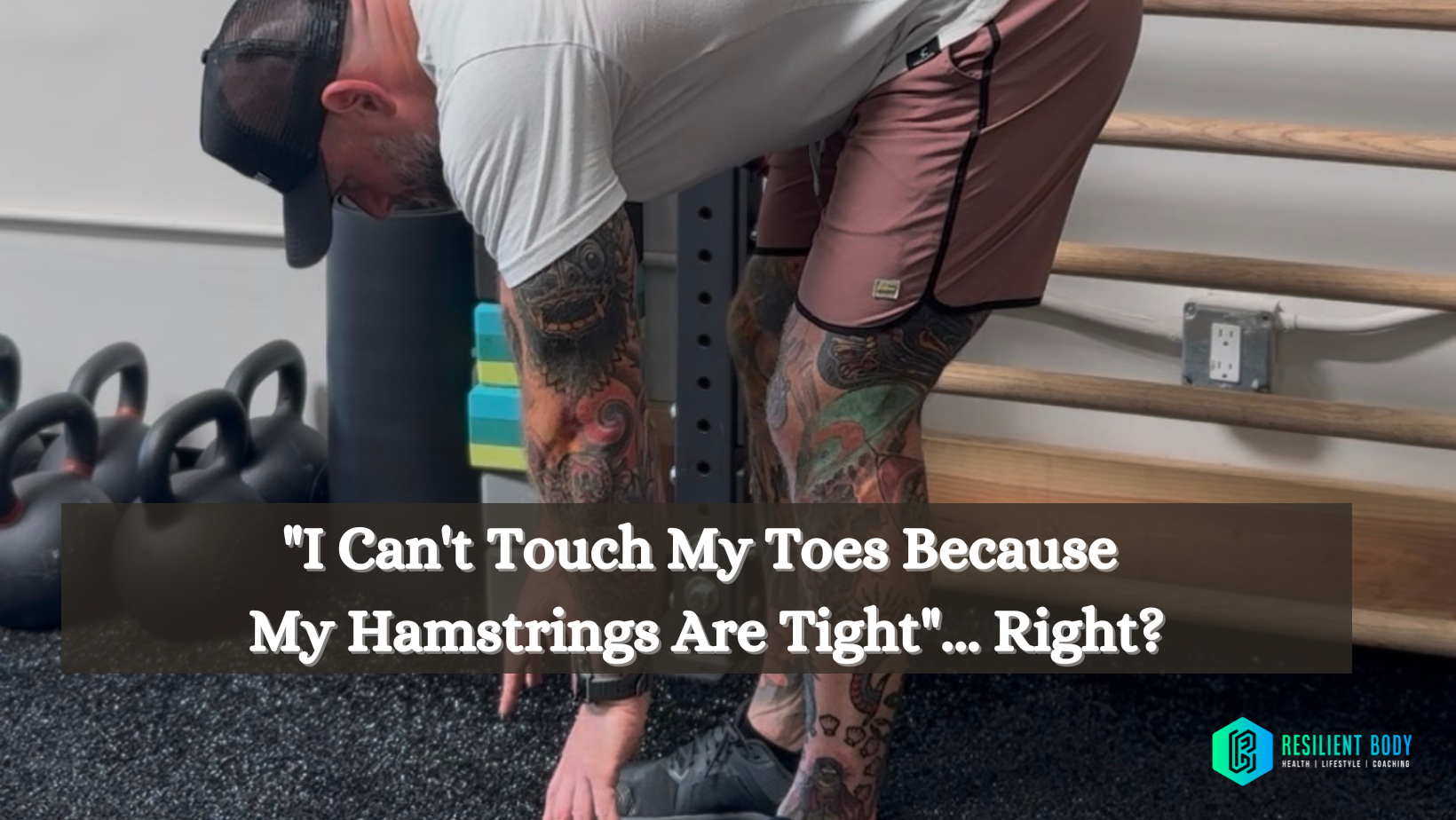
Not always. Here's why mobility is more complicated than most people realize.
If you've ever bent over to touch your toes and stopped halfway down, there's a good chance you've had the same thought almost everyone else has.
"I can't touch my toes because my hamstrings are tight."
Sometimes you're absolutely right. Tight hamstrings can make it difficult to reach your toes, and improving your flexibility can absolutely help.
The problem is that this assumption isn't always correct.
At Resilient Body, one of the most common questions we hear is whether someone simply needs to become more flexible. While flexibility certainly matters, it's only one piece of what we call mobility. Understanding the difference can completely change how you approach improving your movement, reducing discomfort, and performing better both inside and outside the gym.
Your toe touch is more than a hamstring test
Touching your toes looks simple, but it's actually a full-body movement.
Your ankles need to move well enough to allow your weight to shift. Your knees have to provide stability while allowing just enough freedom to move naturally. Your hips have to hinge efficiently. Your spine contributes by flexing segment by segment. Your muscles have to coordinate with one another, and your nervous system has to feel comfortable allowing you into that position.
If any one of those pieces isn't contributing well, your toe touch can become limited.
That's why two people can stand side by side, both struggle to touch their toes, and have completely different reasons for the limitation.
One person may genuinely have limited hamstring flexibility. Another may have stiff hips after years of sitting at a desk. Someone else may simply lack the strength or confidence to control that position.
The movement looks the same.
The solution isn't.
Mobility and flexibility are not the same thing
These two terms are often used interchangeably, but they describe different qualities.
Flexibility refers to the ability of your muscles and surrounding tissues to lengthen. Mobility is your ability to actively move and control a joint through its available range of motion.
Think about it this way. Flexibility gives you access to a position. Mobility allows you to own it.
Someone may have enough flexibility to perform the splits if someone else moves them into position, yet they may not have the strength or control to get there themselves. On the other hand, another person may never perform the splits but can still move exceptionally well because they have excellent strength, coordination, and control throughout the range of motion they do have.
That distinction matters because improving movement isn't always about creating more range of motion. Sometimes it's about learning to better use the range you already possess.
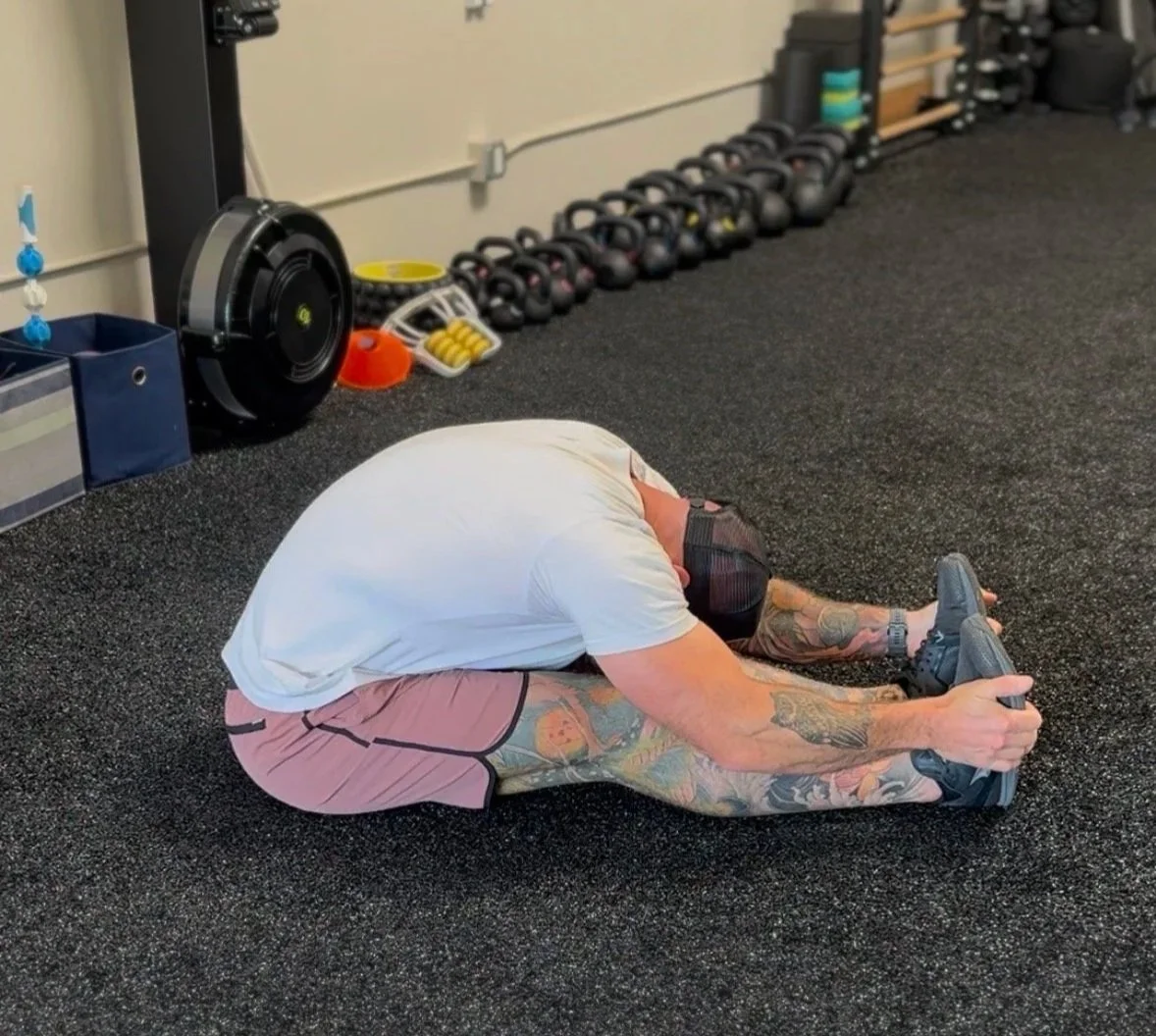
Stretching absolutely has a place
Before we go any further, let's make something clear.
Stretching isn't the enemy, and it isn't something we avoid.
In fact, stretching and flexibility work are built into many of our classes and personal training sessions. We also dedicate an entire weekly class to mobility, flexibility, breathing, and recovery because those qualities are incredibly valuable for long-term movement, performance, and overall health.
Stretching can improve flexibility, reduce feelings of stiffness, help restore comfort after long periods of inactivity, and make certain movements feel easier.
The mistake isn't stretching.
The mistake is assuming stretching is always the answer.
Like every tool, it's most effective when it's solving the right problem.
Why stretching sometimes doesn't work
Stretching works remarkably well when limited flexibility is actually the factor restricting your movement. If your hamstrings are limiting your toe touch, spending time improving their flexibility will often make that movement easier.
The challenge is that flexibility isn't the only factor influencing mobility.
You might have plenty of hamstring flexibility but lack the hip mobility, spinal movement, strength, or motor control needed to comfortably reach your toes. Your nervous system may also limit how far you're willing to move if the position feels unstable, unfamiliar, or uncomfortable.
When that's the case, stretching isn't necessarily the wrong intervention. It's simply addressing the wrong limitation.
That's why one person can improve dramatically after a few weeks of stretching while another sees almost no change doing the exact same routine. The difference isn't that stretching works for one person and not the other. They simply started with different limiting factors.
When people hear the word mobility, they often picture stretching. In reality, mobility is the product of several different systems working together. That's one of the reasons there isn't a single exercise or routine that improves movement for everyone.
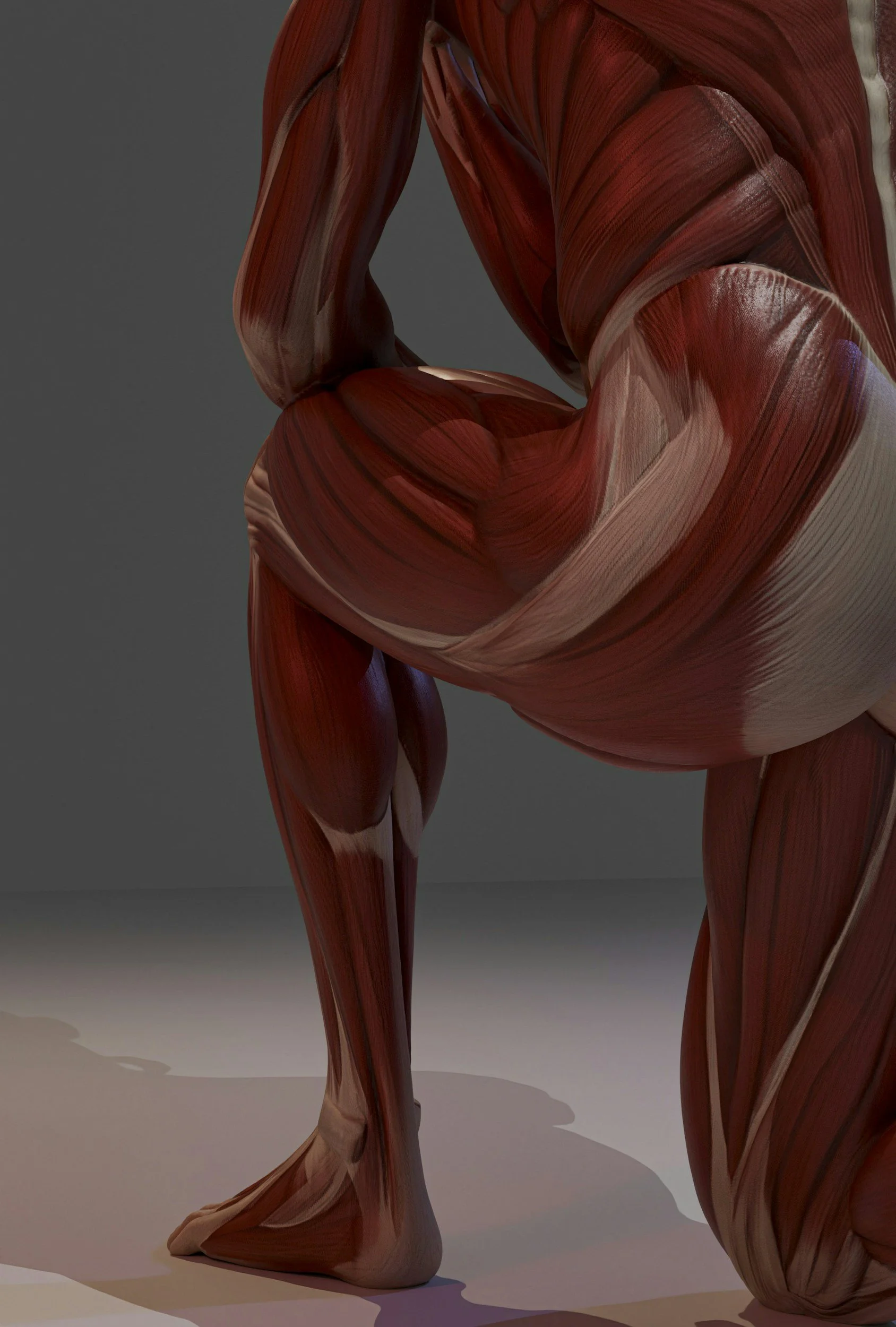
Mobility is influenced by much more than flexibility
Flexibility
Sometimes muscles and the surrounding tissues simply benefit from spending more time in a particular position. Stretching can be an excellent way to gradually improve flexibility when that's the primary limitation.
Strength
Your body is often willing to use more range of motion when it knows it can safely control that position.
Exercises like Romanian deadlifts, split squats, goblet squats, overhead presses, and deep lunges don't just build strength. They also teach your body how to produce force throughout larger ranges of motion.
Rather than simply reaching a position, you're learning to own it.
Coordination and motor control
Movement isn't just about muscles. It's about timing.
Your brain has to coordinate dozens of muscles working together in the correct sequence. Sometimes a movement feels awkward not because anything is particularly tight, but because your body hasn't practiced that movement often enough.
The more efficiently your body coordinates movement, the easier that movement often becomes.
Your nervous system
This one surprises many people.
Have you ever noticed you feel stiffer after a poor night's sleep? Or after a stressful week at work? Or following an especially demanding workout?
Your nervous system is constantly evaluating how safe different positions feel.
If it perceives a position as unstable, unfamiliar, painful, or simply more demanding than you're prepared for, it may reduce the amount of movement it allows. That doesn't necessarily mean anything is damaged. Sometimes your body is simply asking for more confidence before it's willing to move farther.
That's one reason mobility can change from one day to the next.
Previous injuries
Old injuries often influence movement long after tissues have healed.
You may unconsciously protect an ankle you sprained years ago. You might shift your weight away from one hip after recovering from back pain. These protective strategies are completely normal, but they can become movement habits that persist even after the original injury has resolved.
Sometimes improving mobility means rebuilding confidence in those positions.
Your anatomy
No two people are built exactly alike.
The shape of your joints, the length of your limbs, and your natural skeletal structure all influence what comfortable movement looks like.
Some people will always squat deeper than others. Some people will naturally have more hip rotation. Others may never comfortably achieve certain positions, no matter how diligently they stretch.
That's perfectly normal.
The goal isn't to make everyone move the same. The goal is to help each person move as well as their own body allows.
Why assessment matters
This is exactly why we don't hand every member the same mobility routine when in personal training and often in small group settings as well.
Before prescribing exercises, we want to understand what's actually limiting the movement.
Sometimes a simple stretch immediately improves someone's toe touch. Great. We've learned something useful.
Sometimes that same stretch changes absolutely nothing. That's equally valuable because it tells us we should investigate somewhere else rather than continuing to repeat the same intervention.
Good coaching isn't about collecting more exercises. It's about identifying the right exercise for the right person at the right time.
Mobility is built, not found
One of the biggest misconceptions in fitness is that there's a perfect stretch hiding somewhere on the internet waiting to unlock your mobility.
Real improvement is usually much less exciting than that. It's built gradually through consistent exposure to quality movement, appropriate strength training, flexibility work, good recovery habits, and progressively challenging your body to become comfortable controlling new positions.
Some days that means stretching.
Some days it means building strength.
Some days it means improving balance, coordination, or simply moving more consistently.
Most often, it means combining all of those over time.
That's exactly why our programming includes strength training, mobility work, flexibility, balance, breathing, and recovery throughout the week. Each serves a purpose, and together they help people move better not just in the gym, but in everyday life.
The bottom line
The next time you find yourself thinking, "I can't touch my toes because my hamstrings are tight," remember that you might be right.
You also might only be seeing one piece of a much bigger picture.
Rather than asking, "What should I stretch?" try asking a different question.
"What's actually limiting this movement?"
Once you understand the answer, choosing the right solution becomes much easier.
Sometimes the answer is stretching. Sometimes it's strength. Sometimes it's improving coordination, recovering better, or simply giving your body more opportunities to practice quality movement.
At Resilient Body, that's exactly what we're trying to uncover. We don't chase perfect toe touches or arbitrary mobility standards. We help people build movement that makes everyday life, workouts, sports, and everything in between feel stronger, more comfortable, and more resilient.
Because in the end, mobility isn't about touching your toes.
It's about moving through life with fewer limitations.
CHECK OUT THIS WEEK’S VIDEO THAT DRIVES THE POINT HOME VISUALLY:
📣 Quick Announcements:
July Challenge is in full swing through next week and many of you have already charged through it … For Time and in order: 1K C2 SkiErg, 1K C2 RowErg, 1K C2 BikeErg. What will be the time to beat?! Can you beat your coaches?? We look forward to having some fun with it and suffering along with you!
New Program Block Starts THIS Week! Get ready for some new movements and focus as we move into a new block of training next week. We think you will enjoy it! ALL workouts are also now live in our app
Bring a friend and you are both free on either class Saturday morning! If they sign up, receive $100 off your package.
New Personal Training Slots Available – Book a consult if you’re ready to level up
💬 Got questions? Reply here or ask your coach next time you're in